As much as the body is a vessel for experiencing the world around us and expressing ourselves in it, the body is also a repository — a somatic data bank that stores the information and impressions of these life experiences and expressions. What, then, is capacious enough to record the body itself in its literal and cultural range of motion? And how can this record serve as a platform for imagining new embodied expressions and articulations?
With these questions in mind, Attakalari Centre for Movement Arts in Bangalore has embarked on their project-turned-platform NAGARIKA, created in collaboration with the Goethe-Institut / Max Mueller Bhavan Bangalore — an easily accessible and interactive online transformation system on Indian somatic traditions and contemporary expressions.
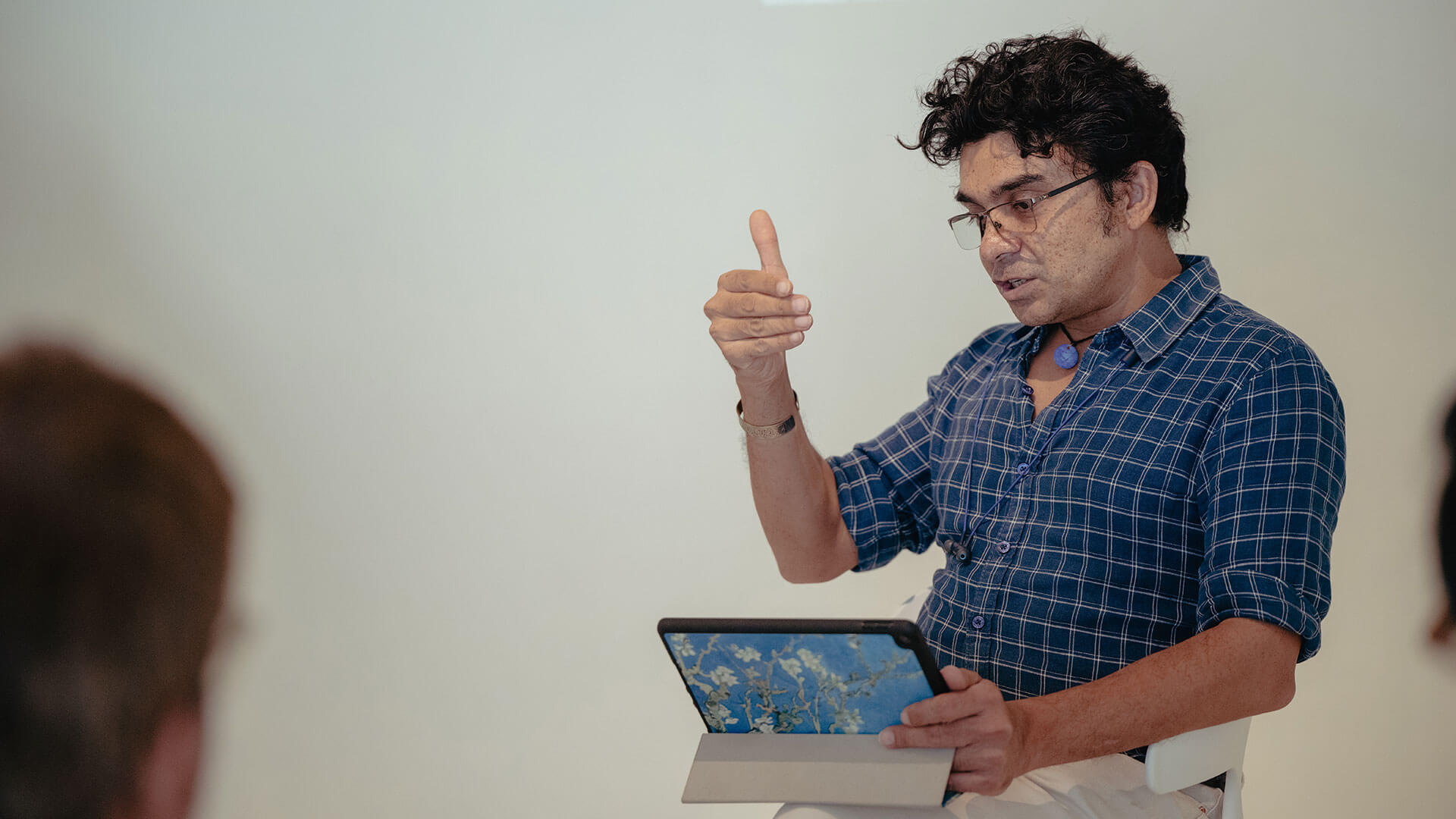
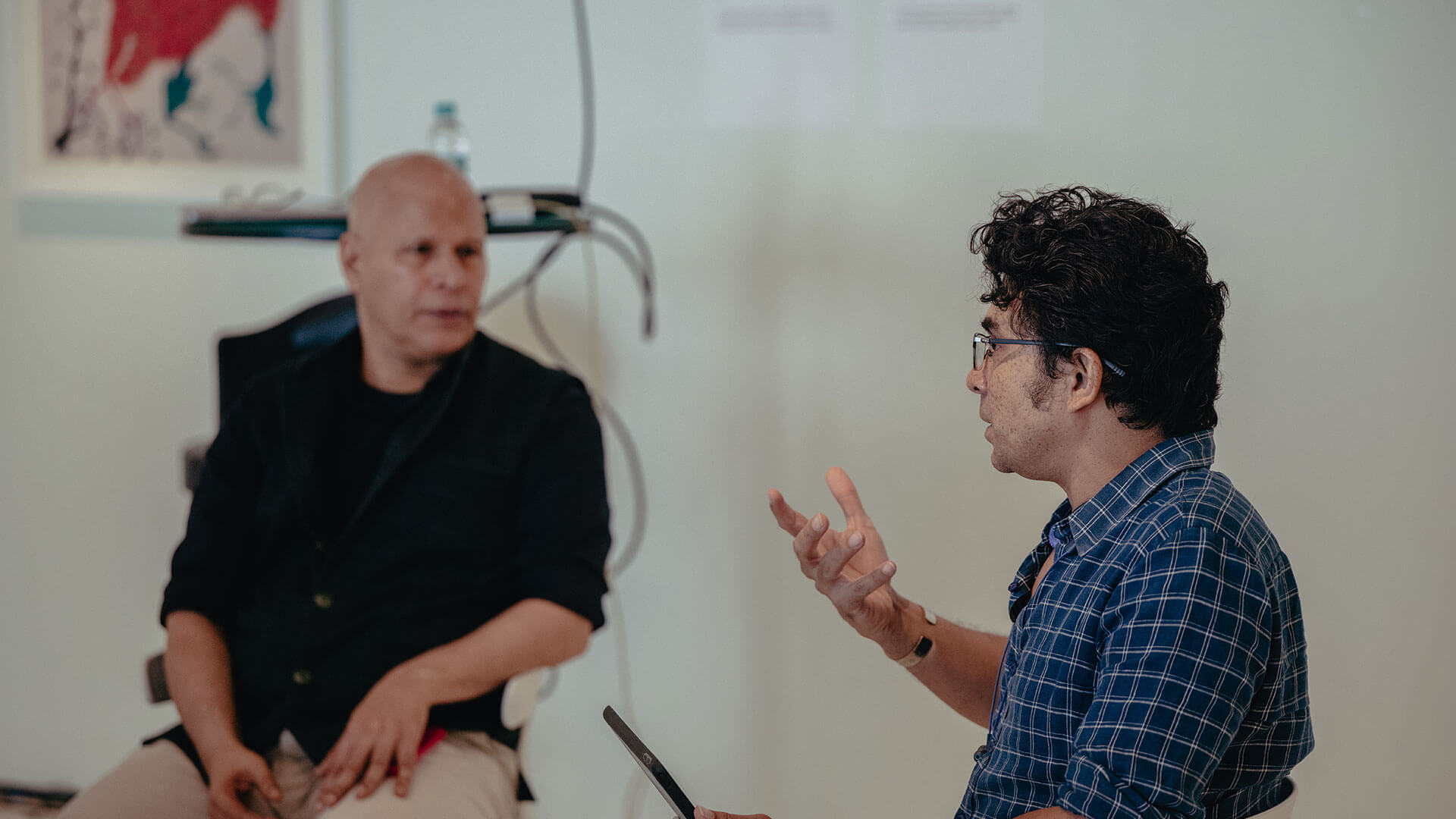
As the first initiative of its kind in India, NAGARIKA aims to bridge the span between traditional physical wisdom and technological innovation in order to support the development of contemporary arts in India. As part of NAGARIKA’s digital debut, TRI Art & Culture welcomes Jayachandran Palazhy, Founder and Artistic Director of Attakalari, for a presentation on the research involved in developing NAGARIKA, followed by a conversation with Vikram Iyengar, dancer, choreographer, curator, and Director of Pickle Factory Dance Foundation. Together, they explore the importance and impact of archiving nonverbal articulations of tradition toward encouraging the emergence of contemporary expressions. Set against the backdrop of TRI’s exhibitions on living traditions, this installation of TRI Talks extends our conversations on the relationship between art in the archive and art as the archive — this time through the lens of somatics.