Exhibition Details
Dates
7 November 2025 – 4 January 2026
Season
Winter 2025
Space
Ground Floor & First Floor Galleries, TRI Patio, TRI Terrace
Curator(s)
St+art India Foundation
Booking Information
Free
Accessibility Note
Use of stairs is required to access the building. Curatorial content is available in both English & Bangla. Please write to us at info@powderblue-termite-365613.hostingersite.com for any unlisted accessibility support.

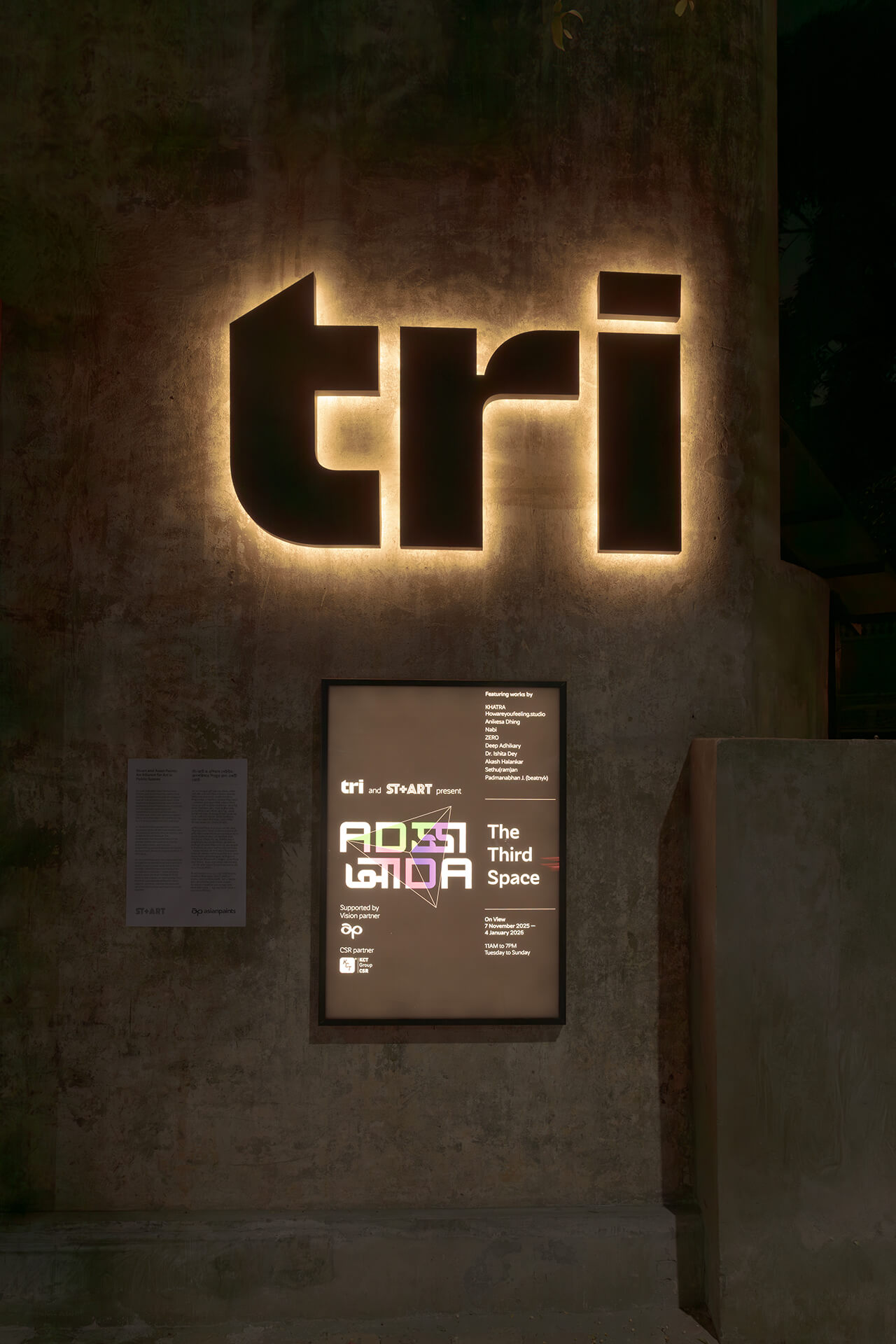
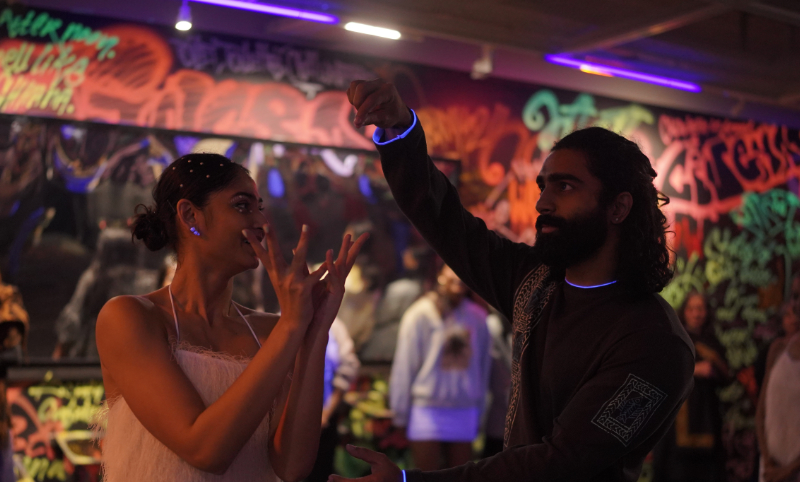
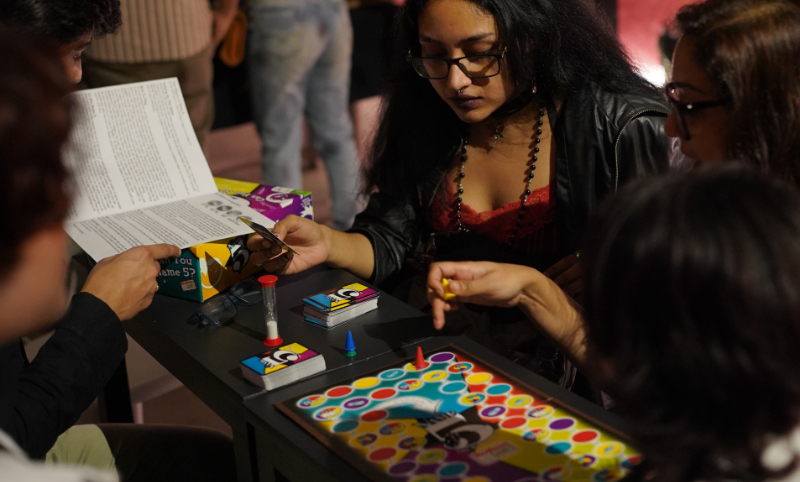
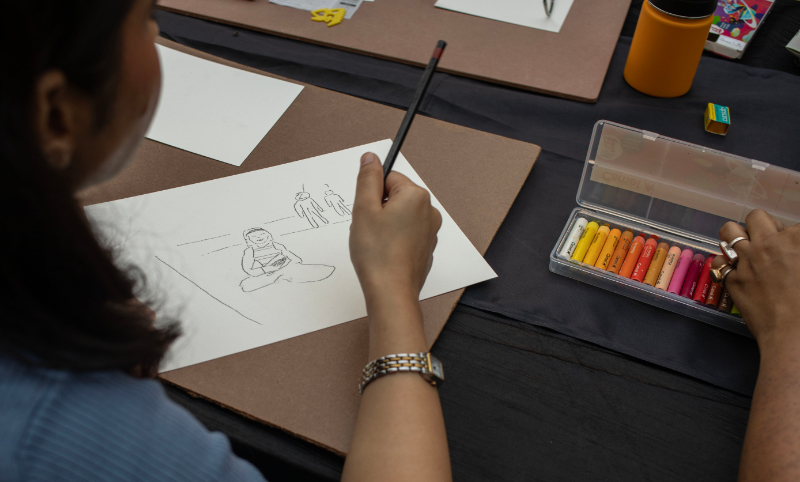
ADDA: The Third Space is an immersive exhibition curated by St+art India Foundation at TRI Art & Culture, with support from Asian Paints and KCT Group CSR. The exhibition invites audiences into liminal spaces by presenting narratives that exist across multiple boundaries and thresholds, engaging all six senses (sight, smell, taste, hearing, touch, and proprioception) to catalyse a collective immersion into the microcosms, undergrounds, and subcultures of Indian streets, as well as the enclosed spaces of everyday inhabitation. 

At its core, ADDA poses a central inquiry: what happens when the street steps over the threshold and the home spills into the lane? How do walls, bodies, and minds become porous, objects become hybrid, and memories turn collective? In reframing third spaces not merely as physical thresholds but as futures of urban belonging, the exhibition asks its visitors to imagine new ways of being together, through an exploration of Kolkata’s borderlessness, the fluidity of its pulse, and the hybridity of its culture. It seeks to dissolve the dichotomies of public and private, work and play, home and world, inside and outside. 

The journey through the exhibition unfolds across the architecture of TRI itself. 

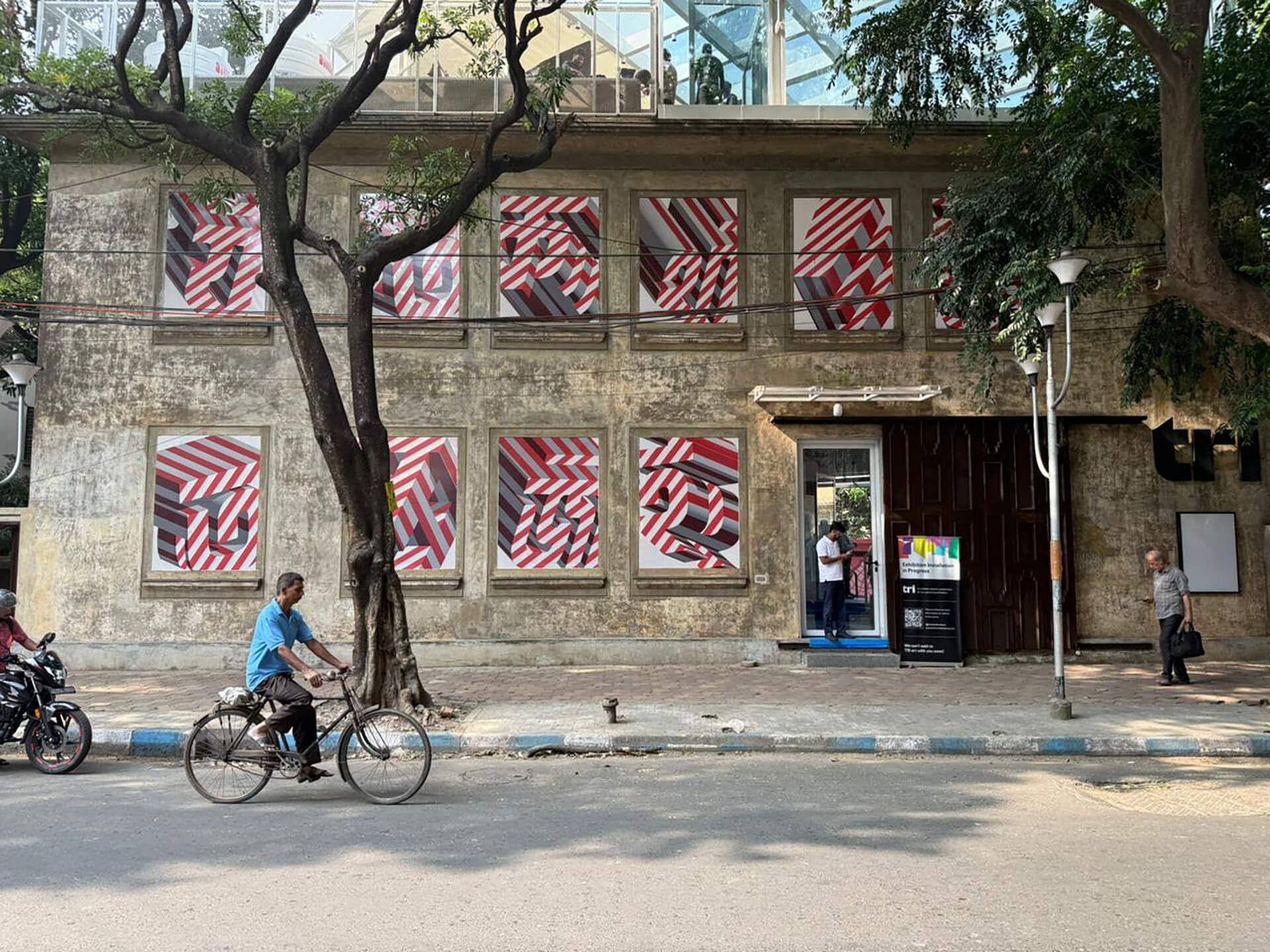
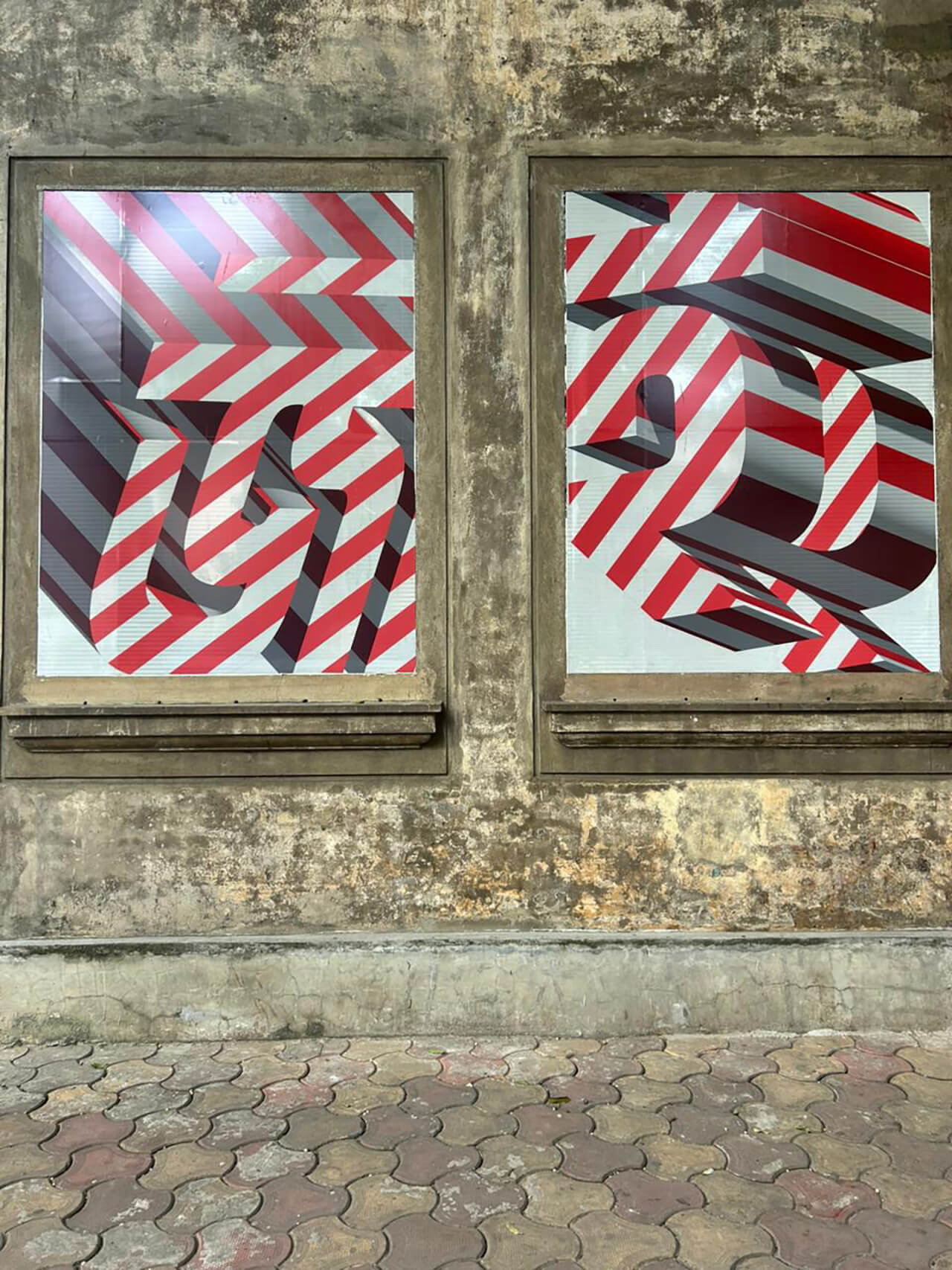
On the building’s exterior facade, Baroda-based visual artist Khatra merges Bengali and English scripts across TRI’s windows, turning the façade into a public-facing visual poem and a proverbial deliberation on the layered languages that occupy Kolkata’s streets and are reflected back to its inhabitants. 

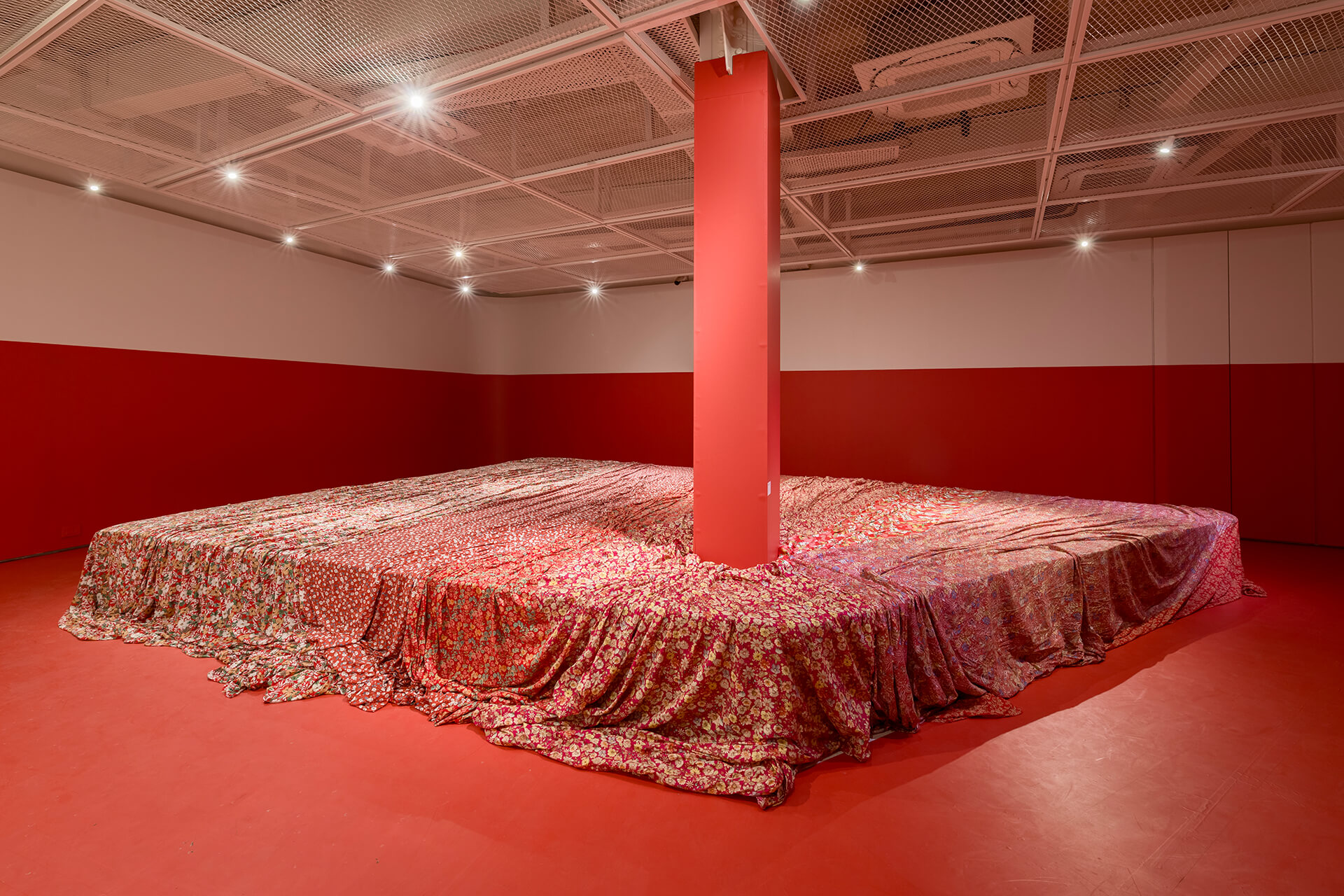
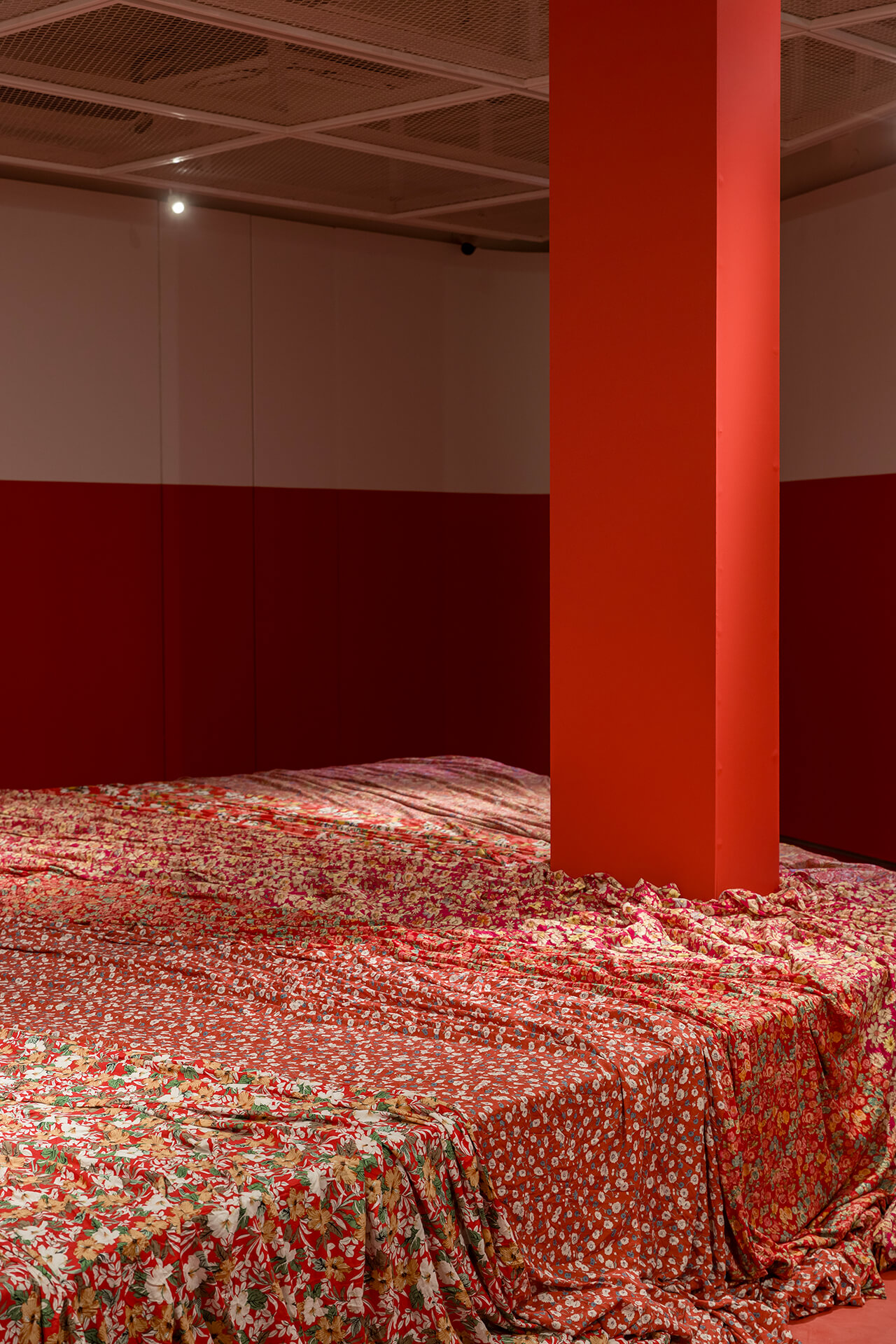
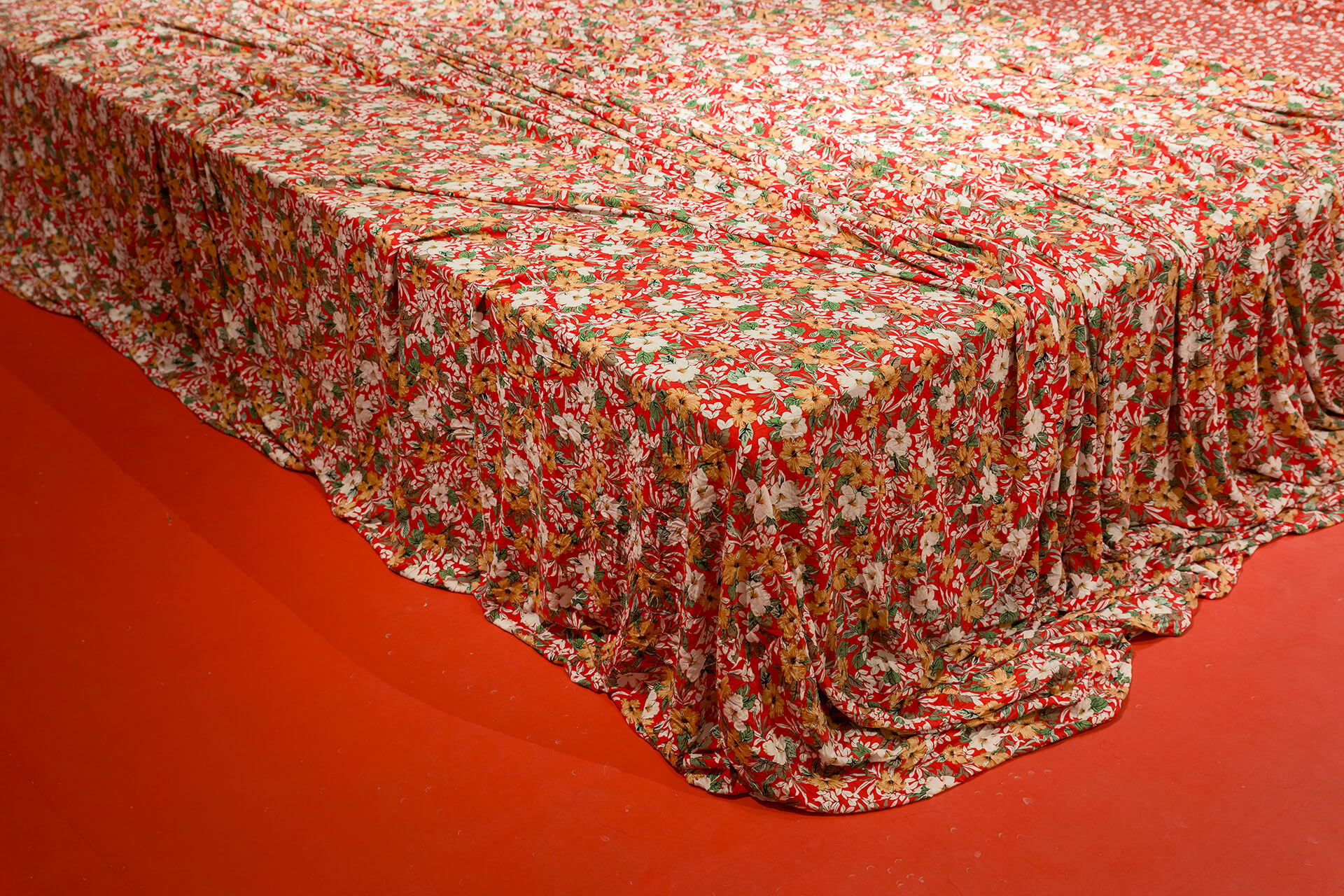
Upon entering, a large, soft installation by Doyel Joshi and Neil Ghose Balser of Howareyoufeeling.studio echoes the rhythms of domestic life while reimagining the private bed as a space for public intimacy. At the anchor of the exhibition, visitors are invited into a collective performance of rest, lying, gathering, and settling together in a space that activates proprioception through shared presence. In a city where the adda has always made the street a kind of home, the Shared Bed asks what it means to truly be at ease with one another, to let the boundaries between stranger and neighbour dissolve into something quieter and more generous. 

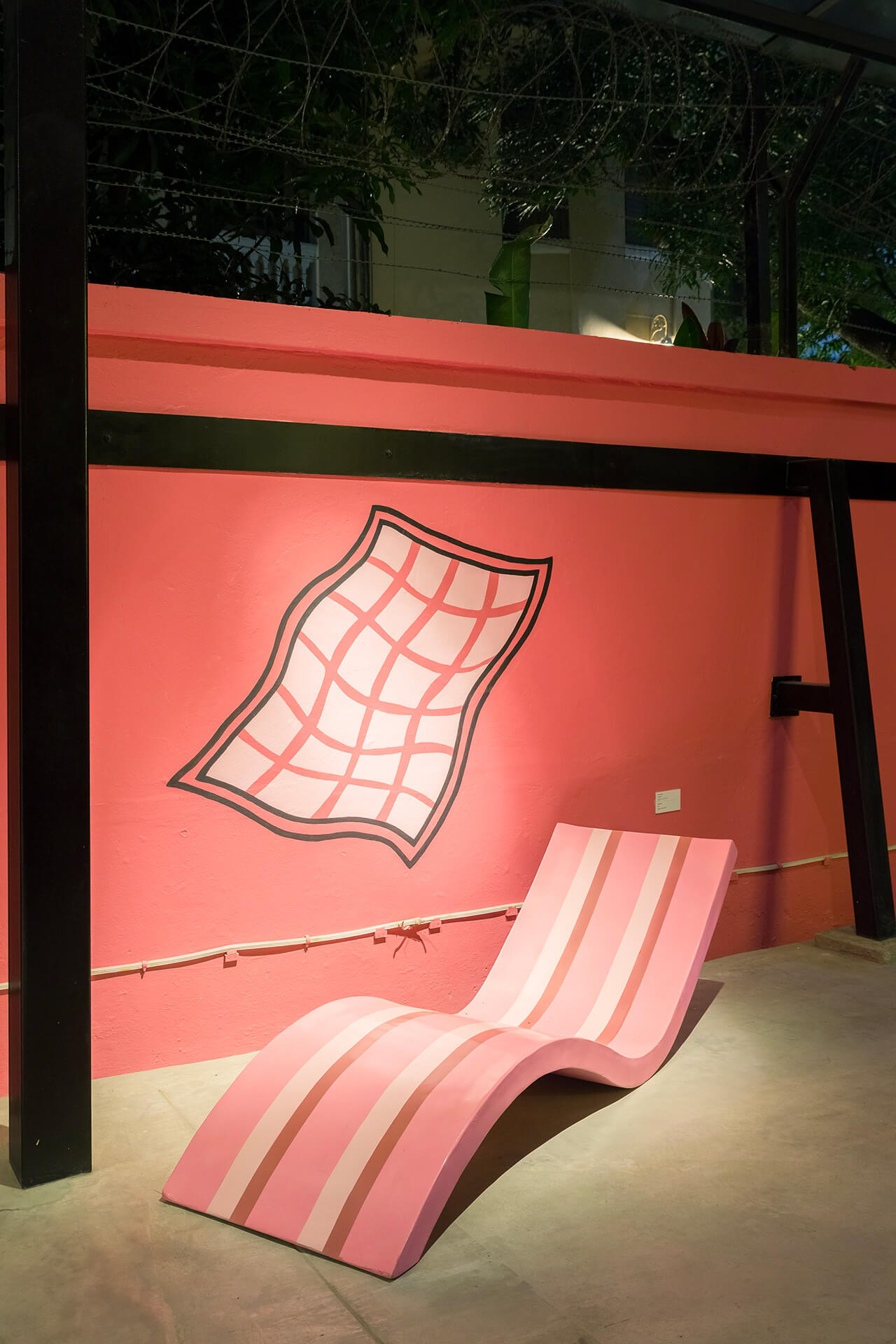
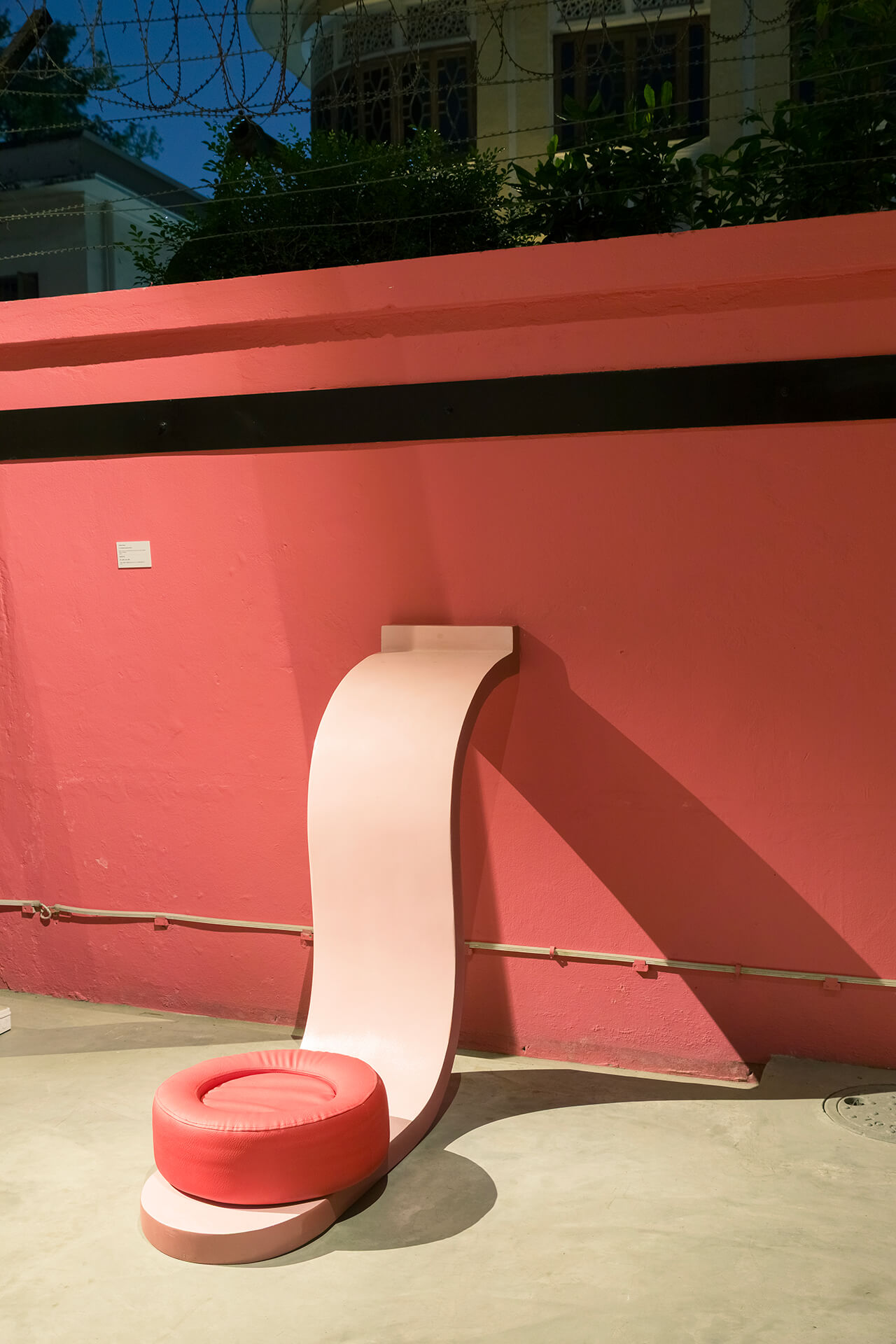
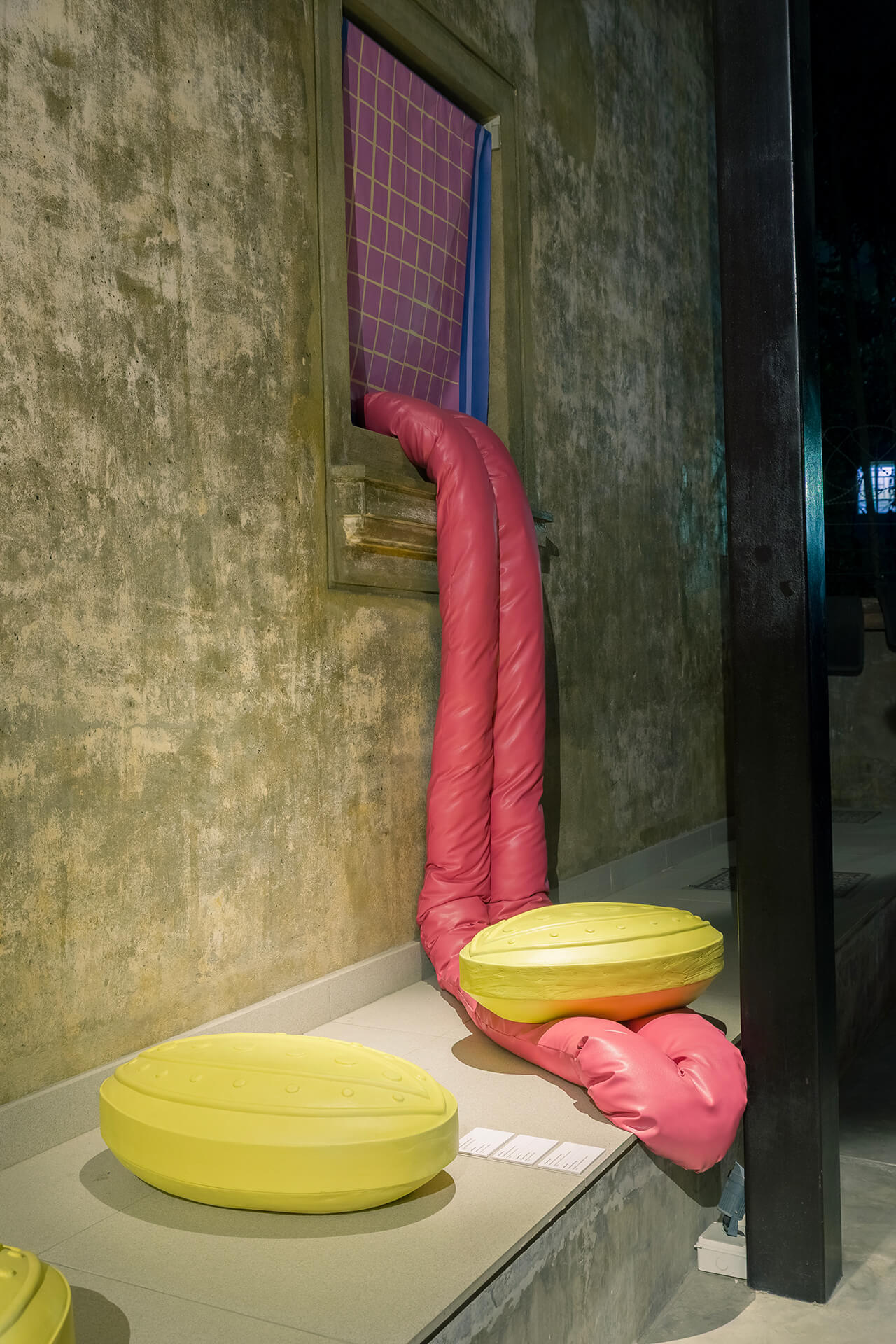
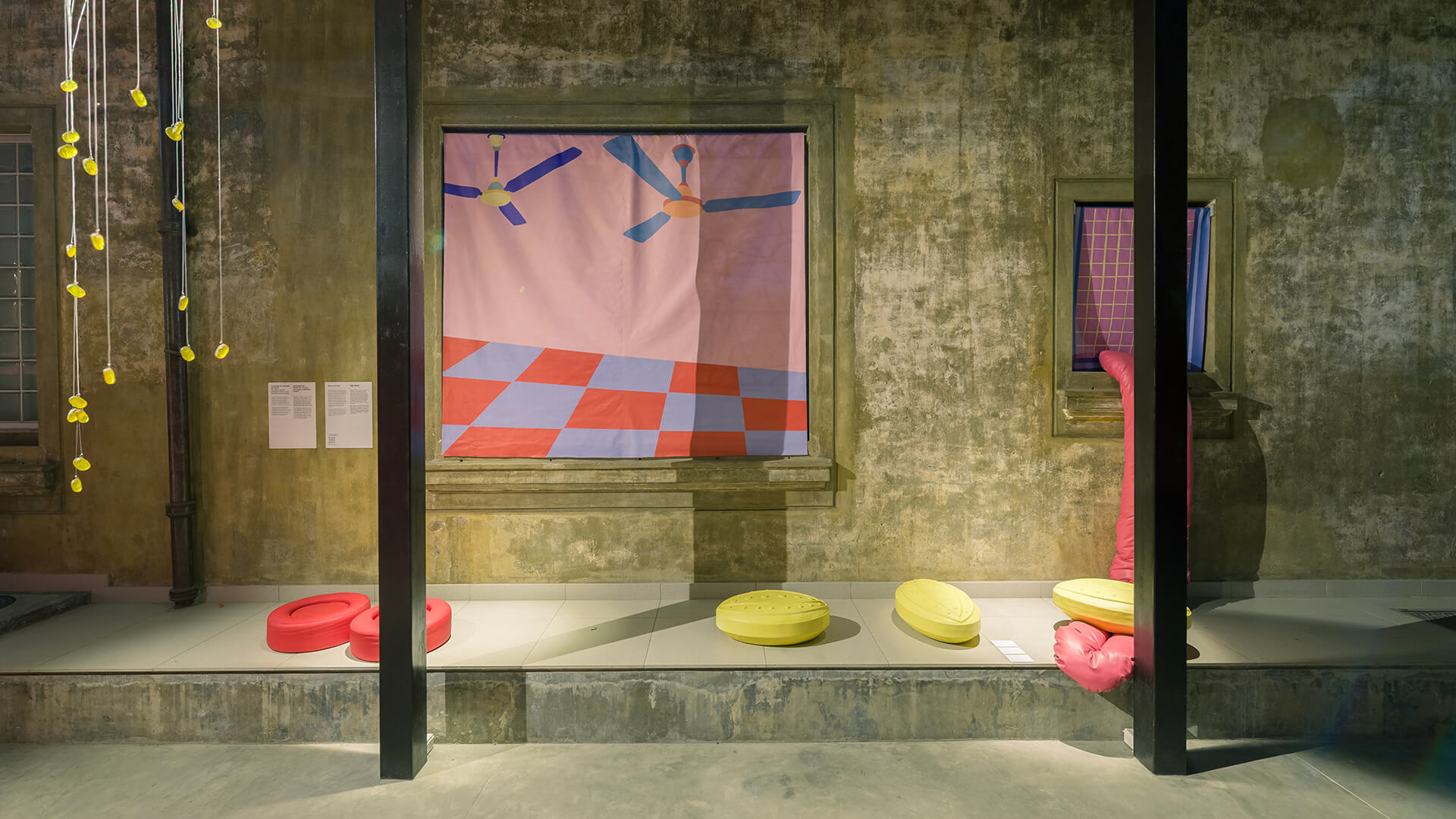
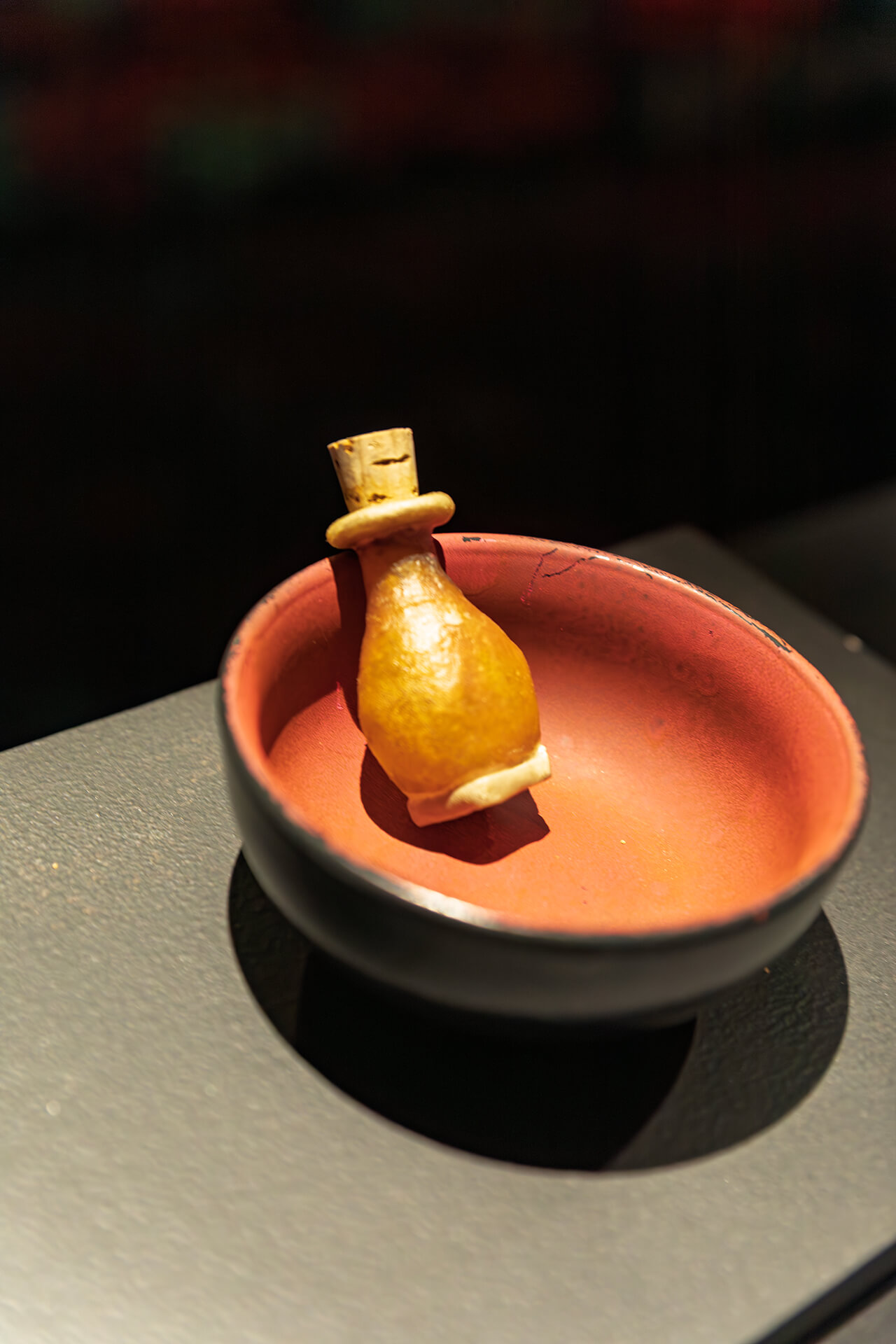
In the patio, Anikesa Dhing evokes the nostalgia of childhood through the colours and textures of candies, tracing the body’s memory of taste and inviting reflection on joy, recollection, and the sentimental lives of everyday objects. 

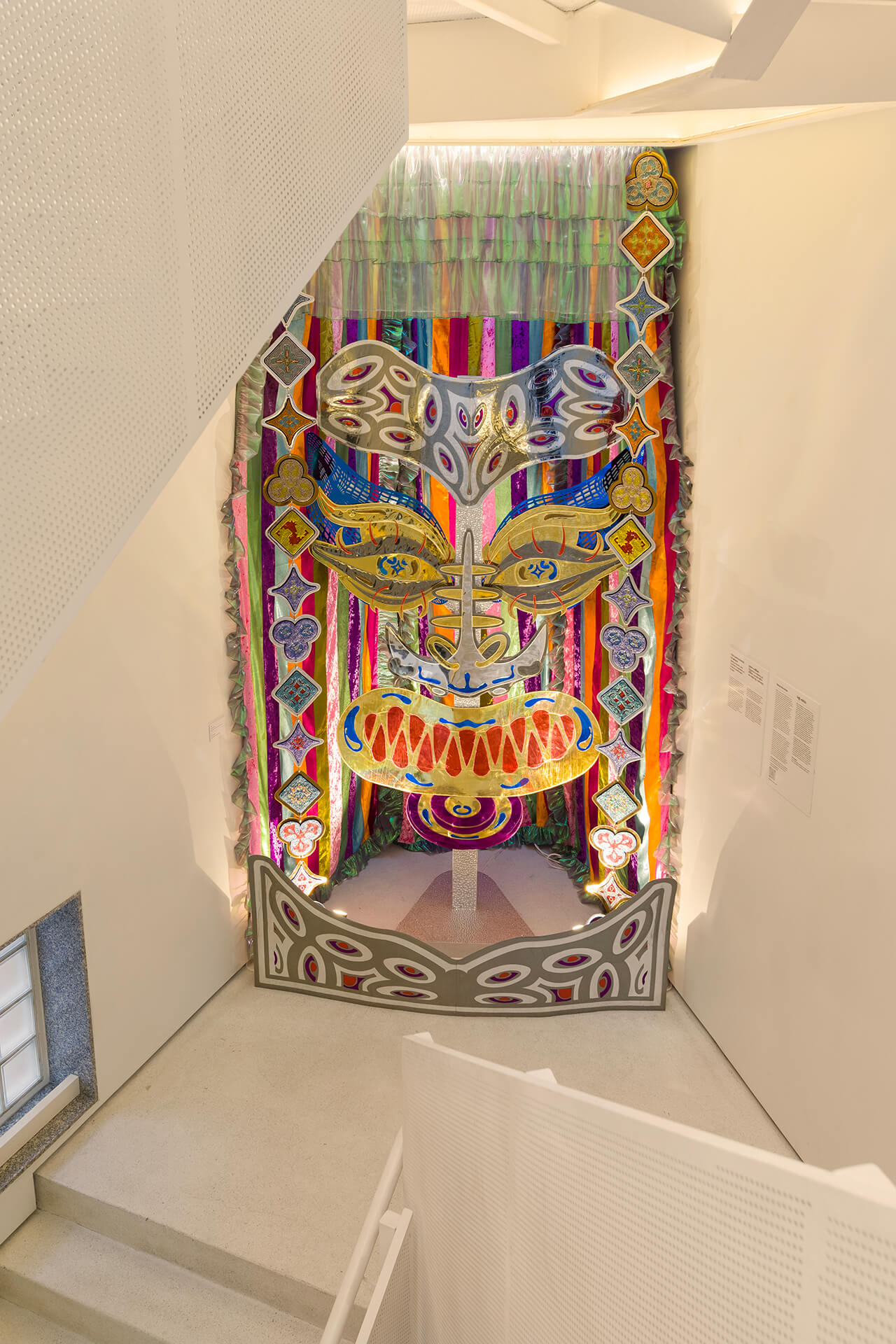
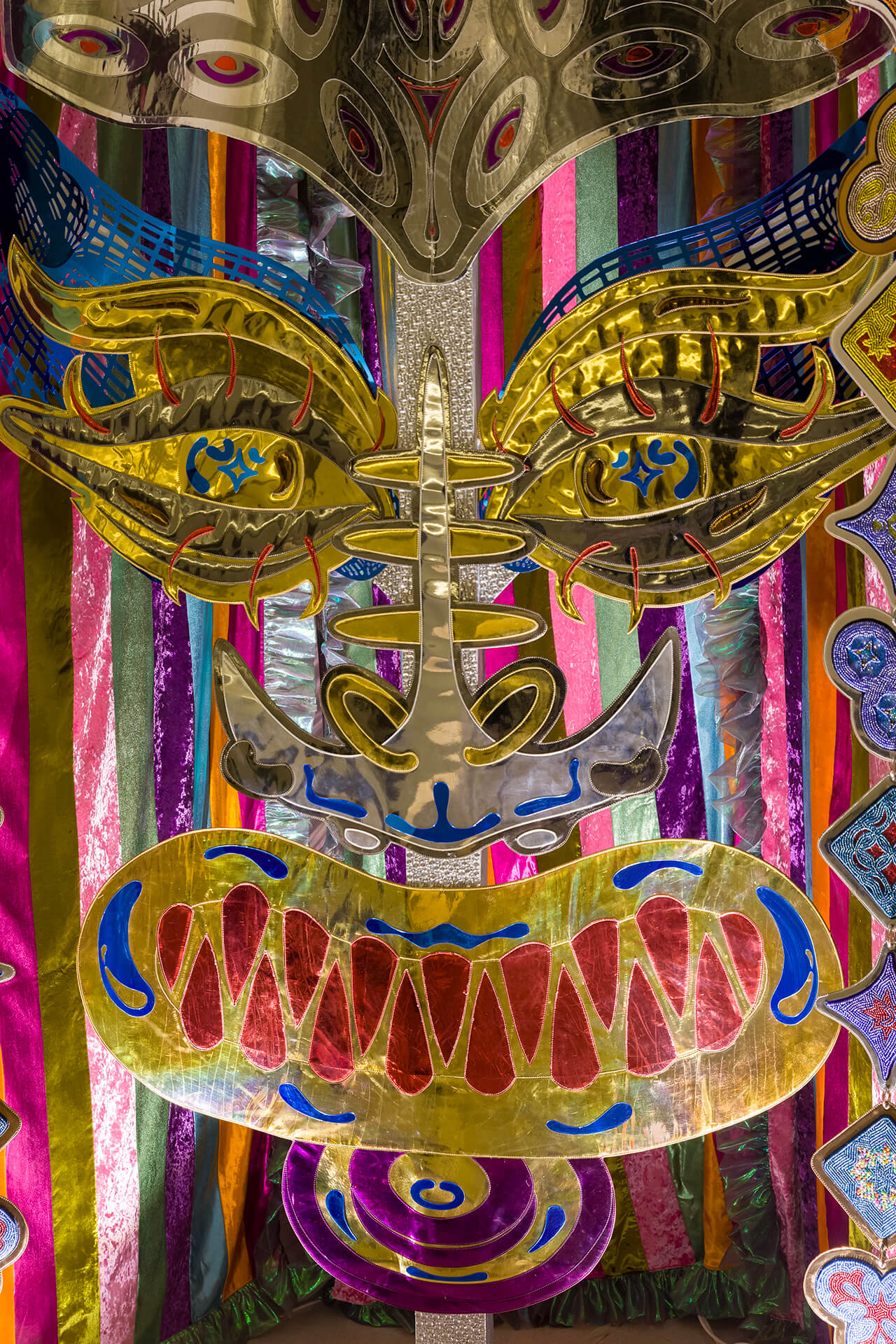
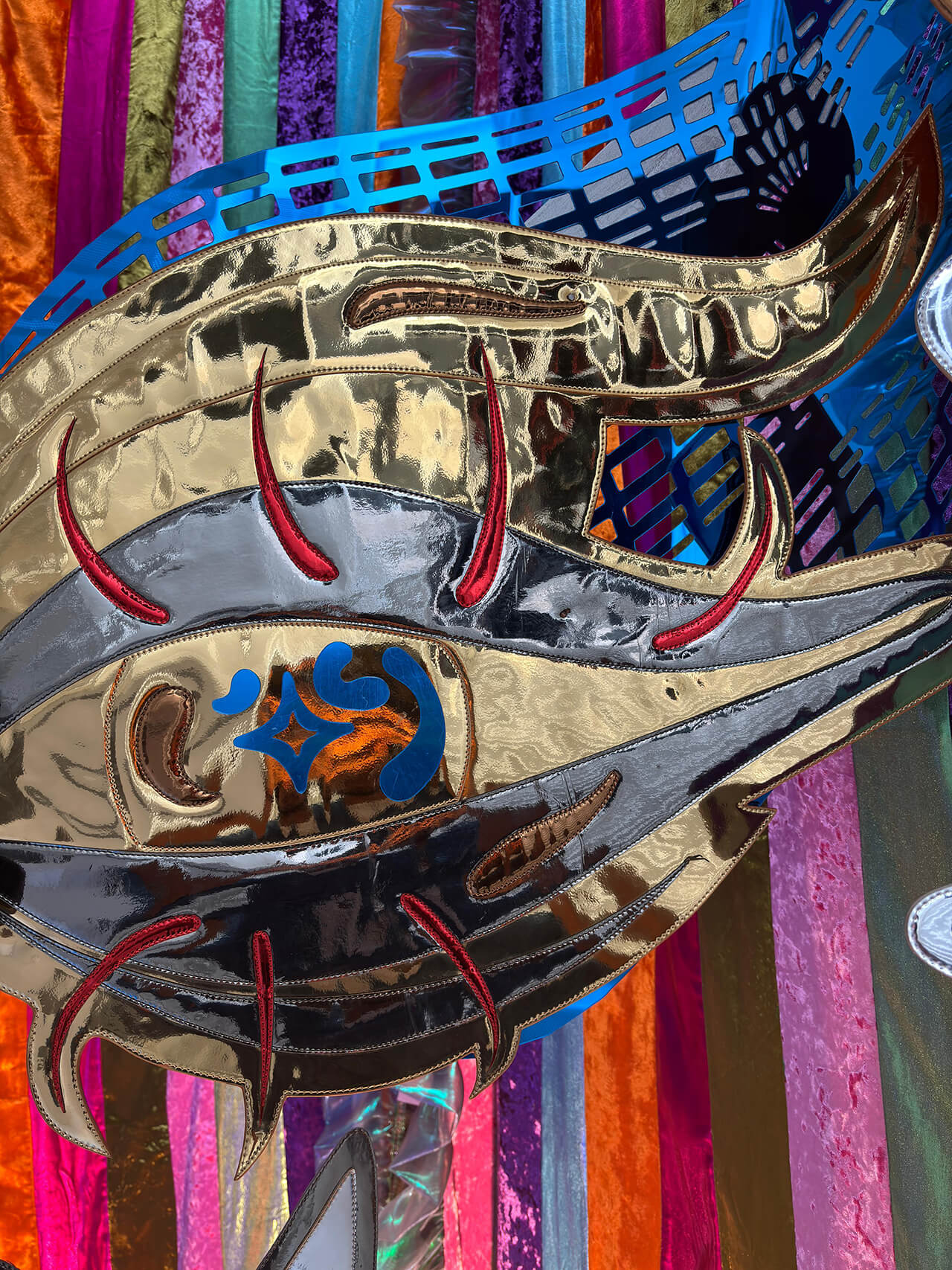
On TRI’s spiralling stairwell, NABI stages a totemic installation of embroidered masks, colour, light, and shadow in a masquerade of mirage, exploring ancestry, imagination, and the hybridity of identity, prompting visitors to reconsider what is seen, unseen, or overlooked. 

Moving through the passageway, Akash Raj Halankar reshapes the space into a study of sight through a field of coloured pyramids drawn from Asian Paints’ Chromacosm universe. Each surface alters the viewer’s orientation, turning geometry into an instrument of perception and softening the boundaries of the white cube into a moment of quiet re-seeing. 

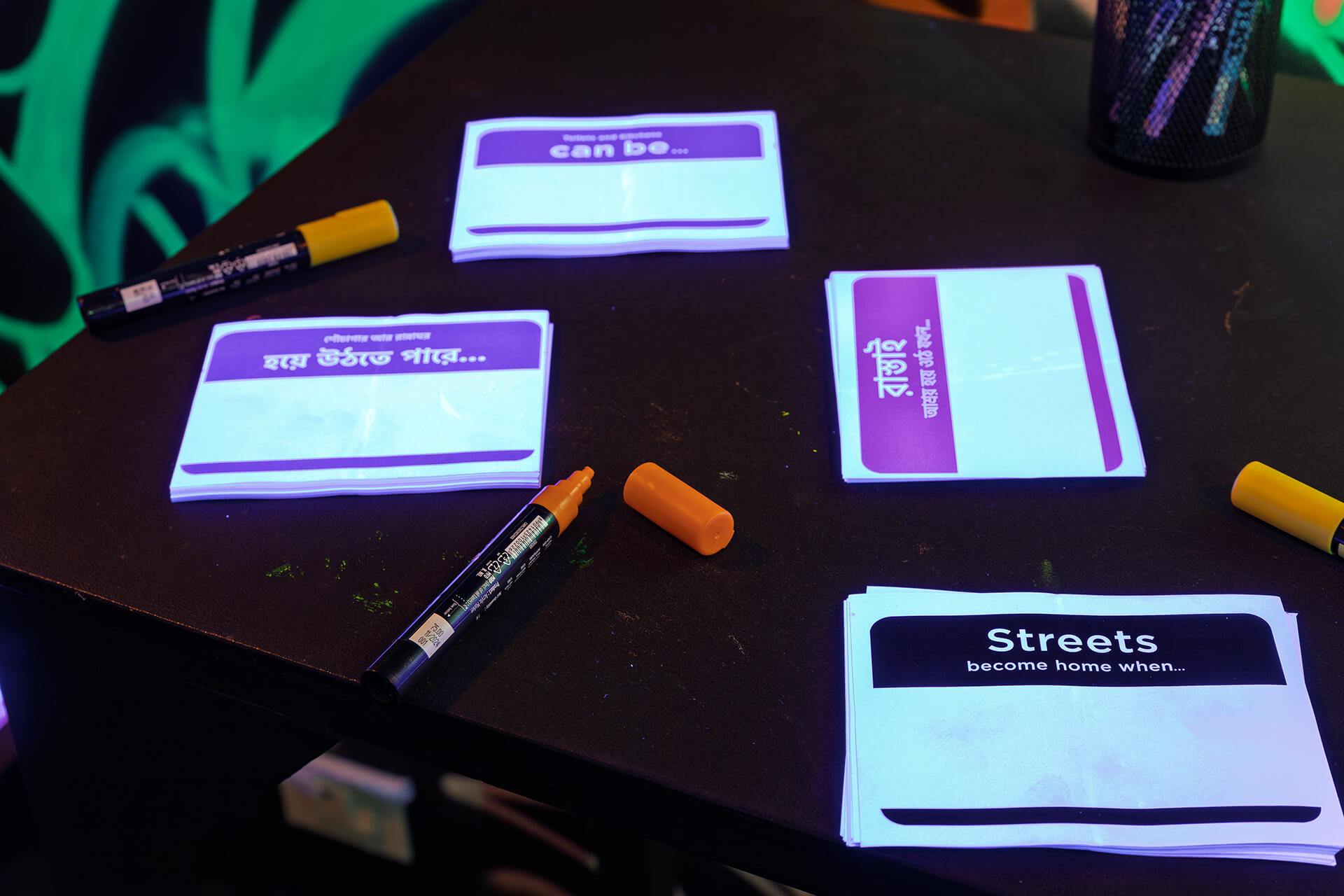
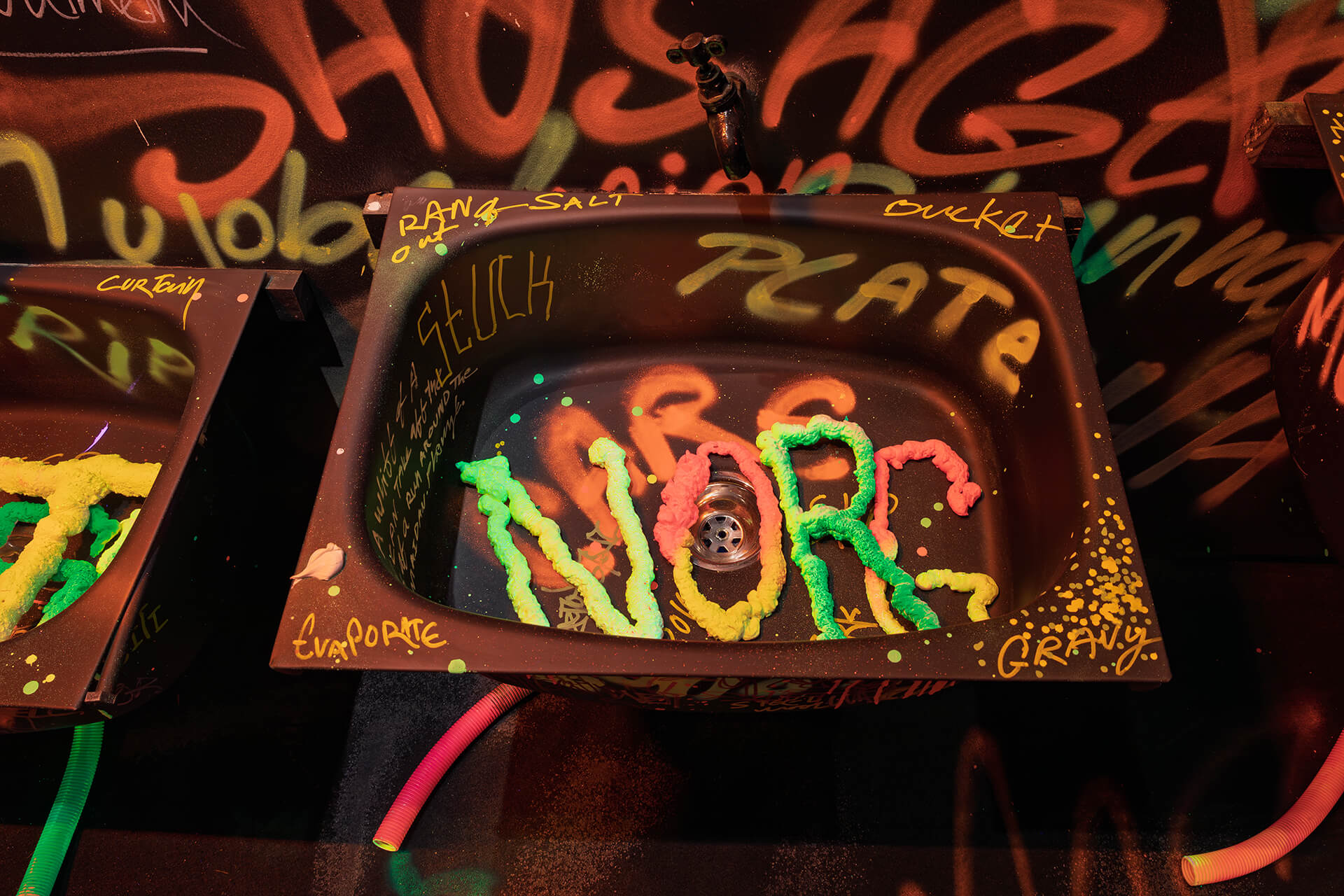
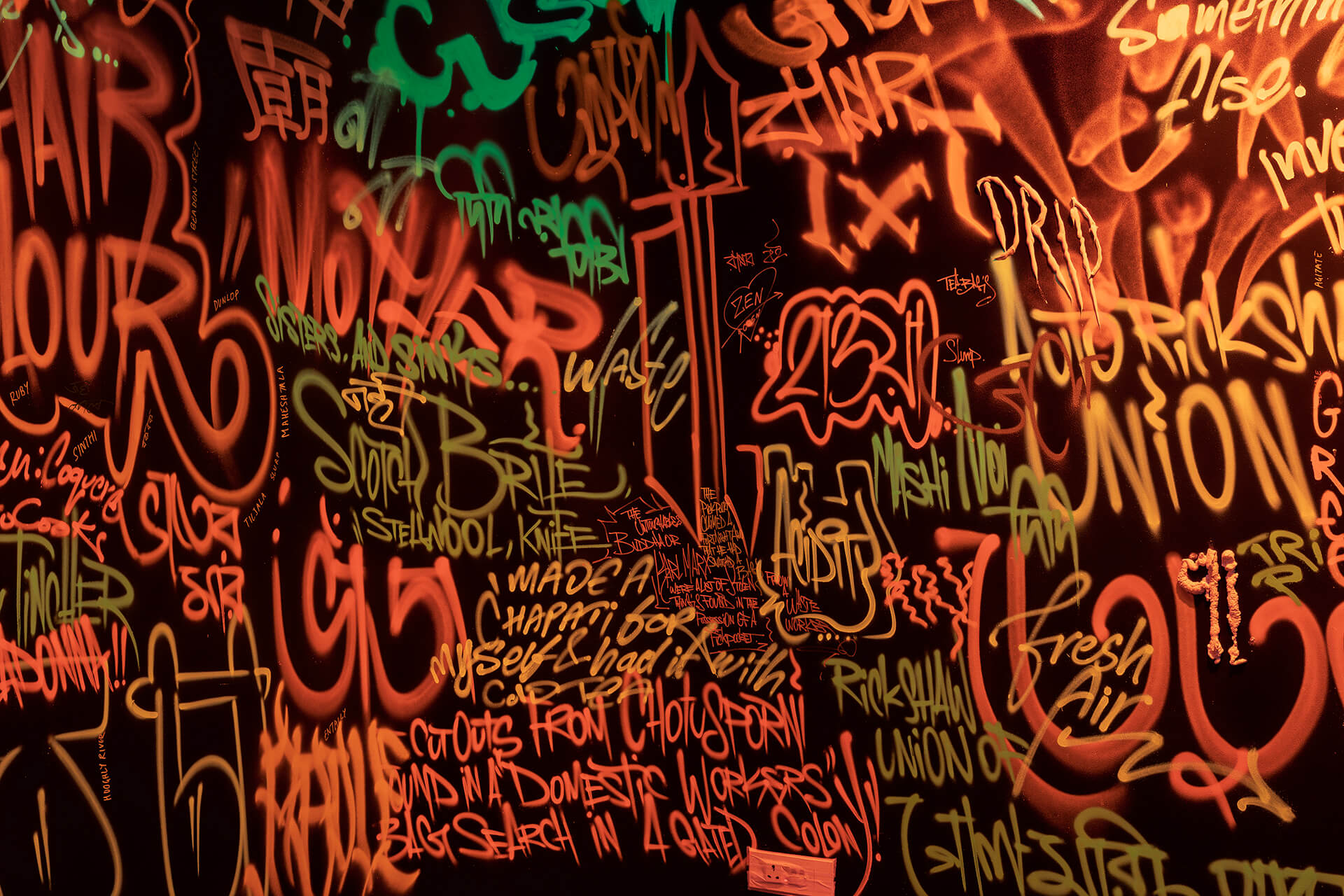
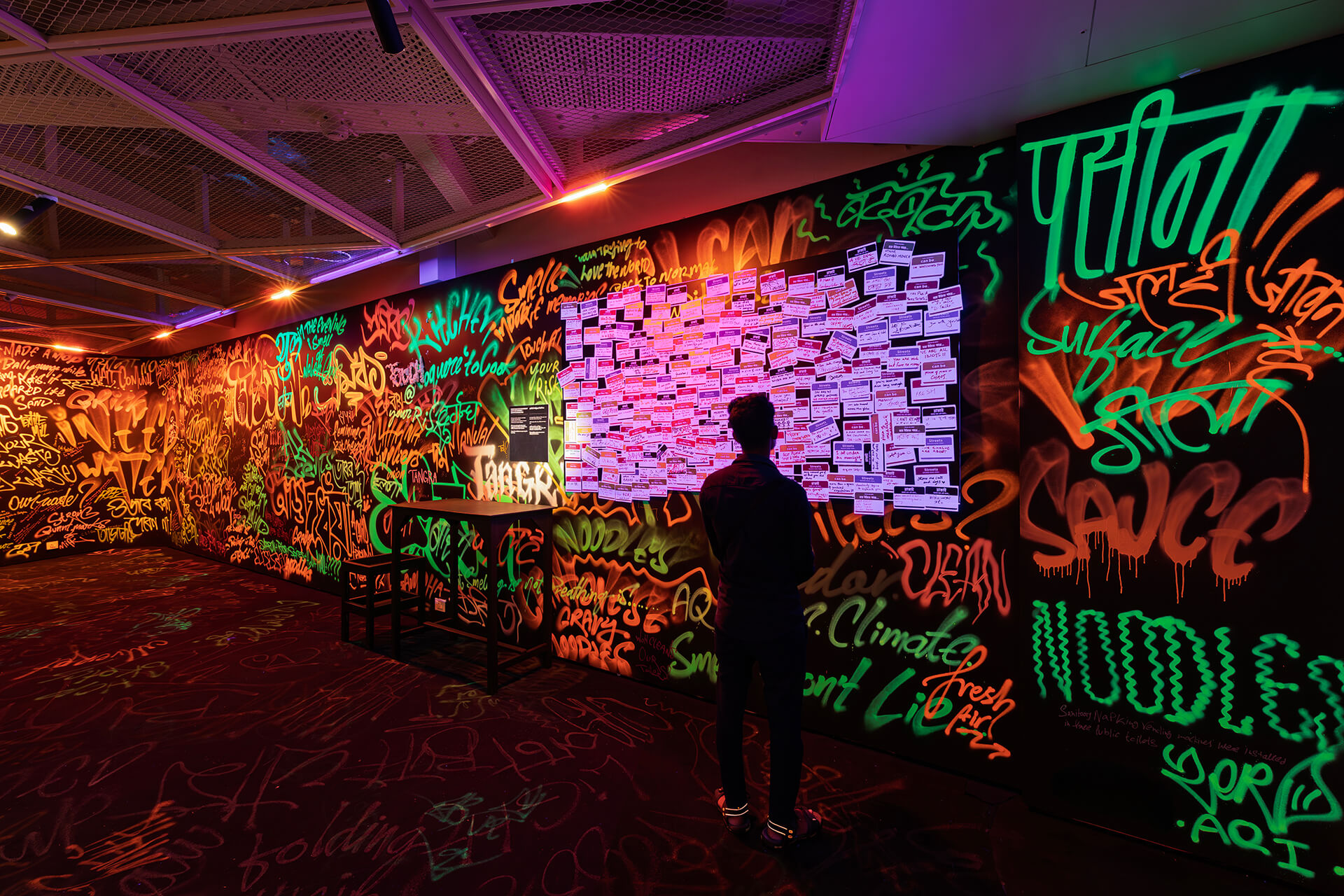
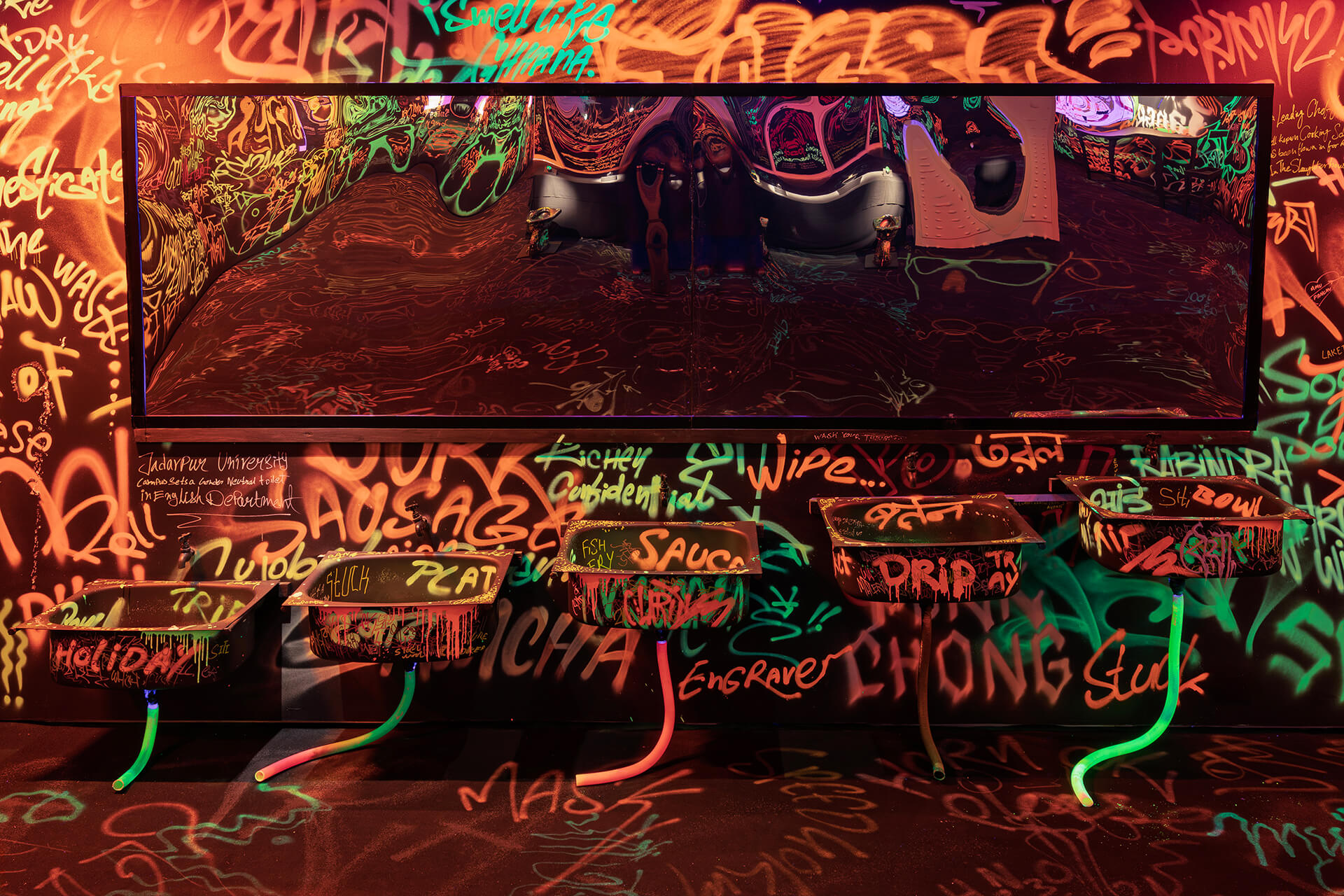
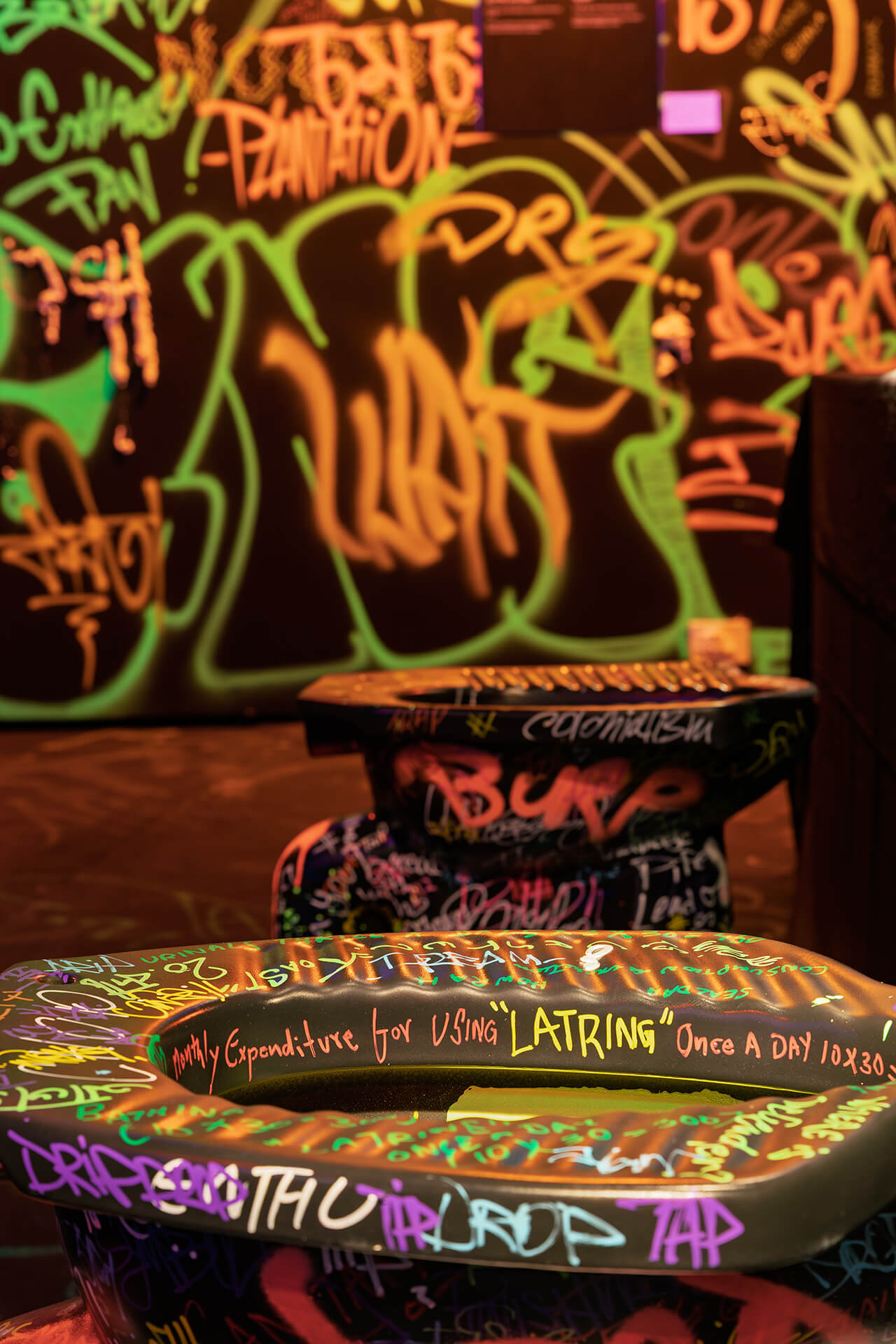
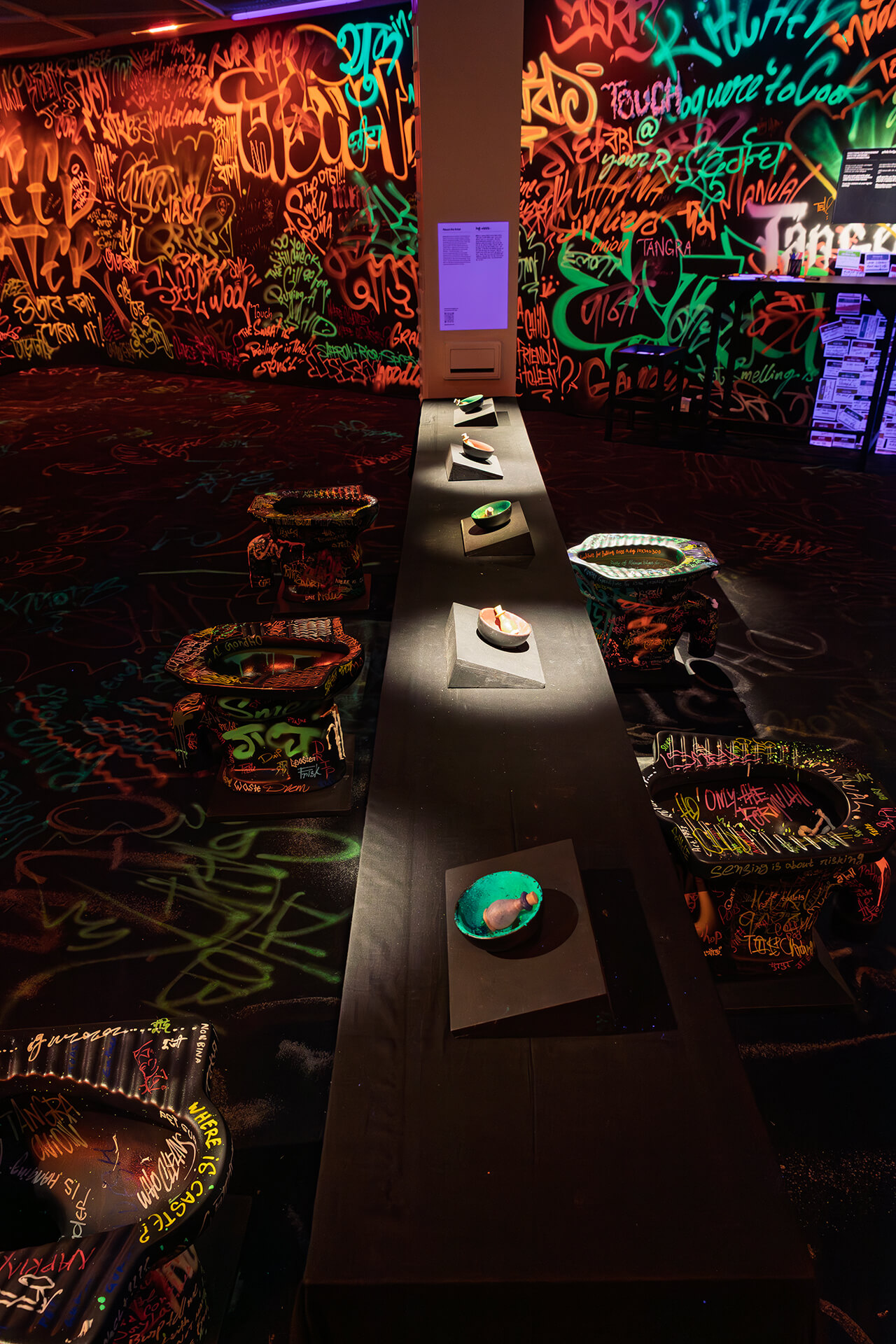
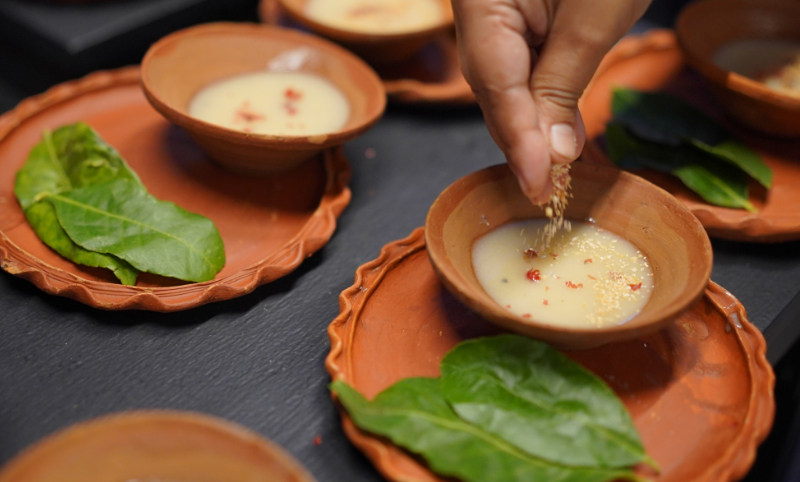
Deeper into the space, Zero and Kolkata-based hip-hop artist Deep Adhikary draw on the etymology of graffiti from the Latin graffio, meaning “a scratch,” to create a hybrid toilette, kitchen, and scratch room that invites a tactile exploration of tangibility and street-writing as collective expression. Alongside this, researcher and sociologist Dr. Ishita Dey activates the olfactory dimension of the same spaces through scent-based engagements rooted in the politics of gender and caste, layering smell into the sensory palimpsest of the everyday. 

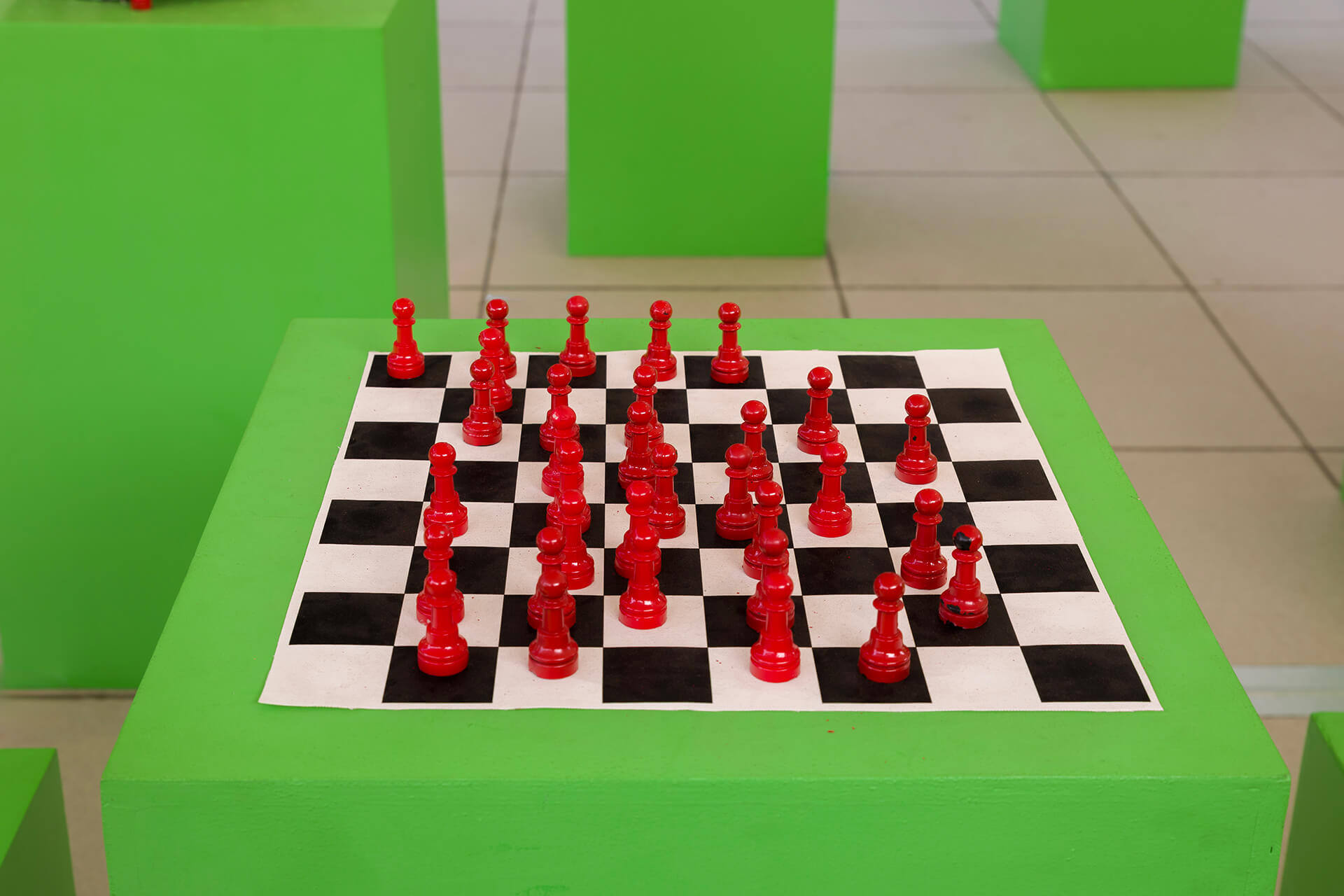
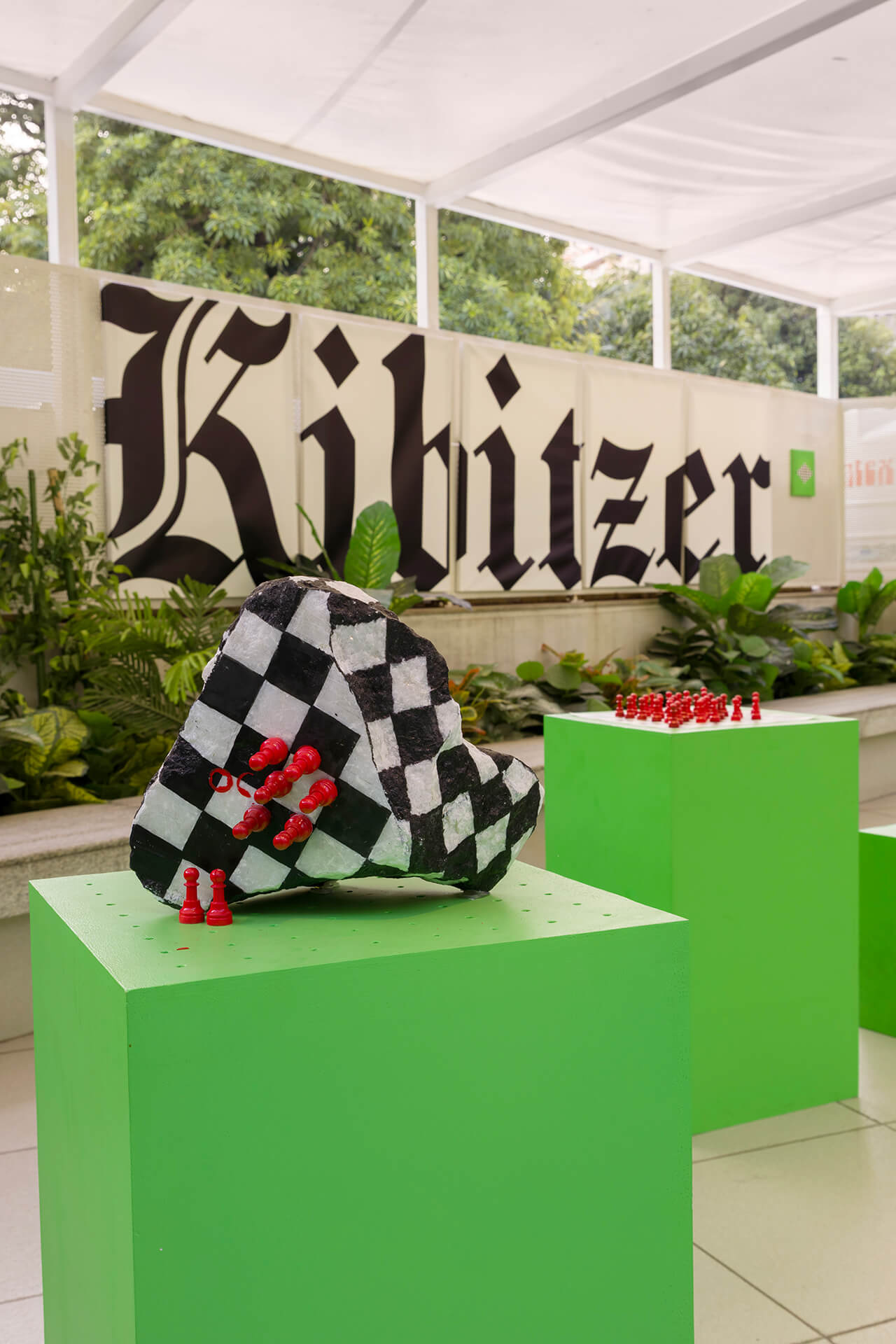
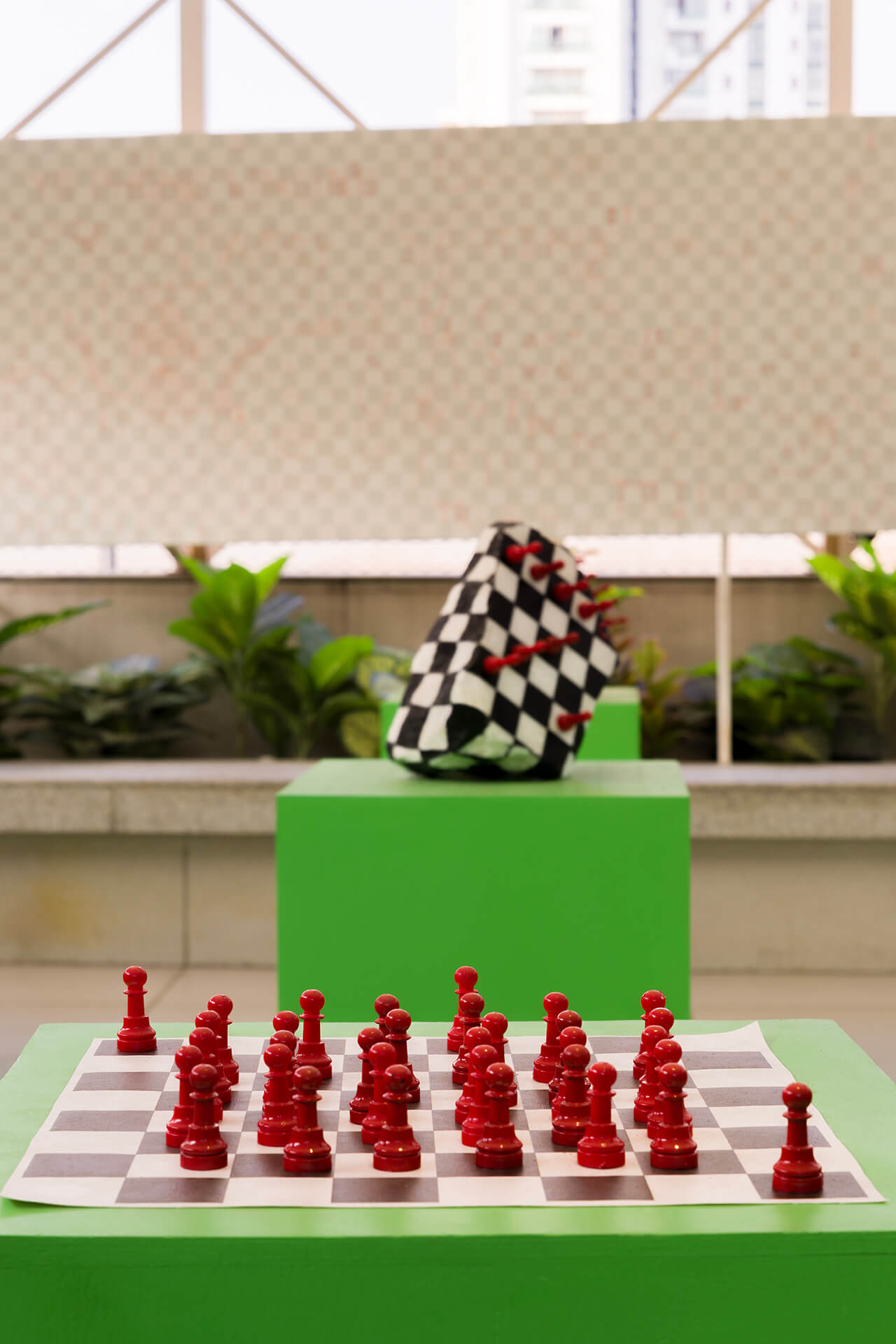
On the open terrace, Sethuraman and Beatnyk present an audio-visual installation that reimagines a chessboard made only of pawns, the aristocratic pieces conspicuously absent, as an embodiment of Kolkata’s street culture. The work reframes listening as an act of participation and community-making in the building of porous and plural futures. 

Together, these works form a sensorium for the Third Space, an open-ended conversation through artistic gestures that propose the city itself as a collective home, where art becomes a living dialogue between the street and the institution, the interior and the exterior. ADDA ultimately seeks to reshape every passerby into an inhabitant of new explorations, uncovering alternate histories of art, community, the home, the street, and the city. 


ADDA: The Third Space is an immersive exhibition curated by St+art India Foundation at TRI Art & Culture, with support from Asian Paints and KCT Group CSR. The exhibition invites audiences into liminal spaces by presenting narratives that exist across multiple boundaries and thresholds, engaging all six senses (sight, smell, taste, hearing, touch, and proprioception) to catalyse a collective immersion into the microcosms, undergrounds, and subcultures of Indian streets, as well as the enclosed spaces of everyday inhabitation. 

At its core, ADDA poses a central inquiry: what happens when the street steps over the threshold and the home spills into the lane? How do walls, bodies, and minds become porous, objects become hybrid, and memories turn collective? In reframing third spaces not merely as physical thresholds but as futures of urban belonging, the exhibition asks its visitors to imagine new ways of being together, through an exploration of Kolkata’s borderlessness, the fluidity of its pulse, and the hybridity of its culture. It seeks to dissolve the dichotomies of public and private, work and play, home and world, inside and outside. 

The journey through the exhibition unfolds across the architecture of TRI itself. 

On the building’s exterior facade, Baroda-based visual artist Khatra merges Bengali and English scripts across TRI’s windows, turning the façade into a public-facing visual poem and a proverbial deliberation on the layered languages that occupy Kolkata’s streets and are reflected back to its inhabitants. 

Upon entering, a large, soft installation by Doyel Joshi and Neil Ghose Balser of Howareyoufeeling.studio echoes the rhythms of domestic life while reimagining the private bed as a space for public intimacy. At the anchor of the exhibition, visitors are invited into a collective performance of rest, lying, gathering, and settling together in a space that activates proprioception through shared presence. In a city where the adda has always made the street a kind of home, the Shared Bed asks what it means to truly be at ease with one another, to let the boundaries between stranger and neighbour dissolve into something quieter and more generous. 

In the patio, Anikesa Dhing evokes the nostalgia of childhood through the colours and textures of candies, tracing the body’s memory of taste and inviting reflection on joy, recollection, and the sentimental lives of everyday objects. 

On TRI’s spiralling stairwell, NABI stages a totemic installation of embroidered masks, colour, light, and shadow in a masquerade of mirage, exploring ancestry, imagination, and the hybridity of identity, prompting visitors to reconsider what is seen, unseen, or overlooked. 

Moving through the passageway, Akash Raj Halankar reshapes the space into a study of sight through a field of coloured pyramids drawn from Asian Paints’ Chromacosm universe. Each surface alters the viewer’s orientation, turning geometry into an instrument of perception and softening the boundaries of the white cube into a moment of quiet re-seeing. 

Deeper into the space, Zero and Kolkata-based hip-hop artist Deep Adhikary draw on the etymology of graffiti from the Latin graffio, meaning “a scratch,” to create a hybrid toilette, kitchen, and scratch room that invites a tactile exploration of tangibility and street-writing as collective expression. Alongside this, researcher and sociologist Dr. Ishita Dey activates the olfactory dimension of the same spaces through scent-based engagements rooted in the politics of gender and caste, layering smell into the sensory palimpsest of the everyday. 

On the open terrace, Sethuraman and Beatnyk present an audio-visual installation that reimagines a chessboard made only of pawns, the aristocratic pieces conspicuously absent, as an embodiment of Kolkata’s street culture. The work reframes listening as an act of participation and community-making in the building of porous and plural futures. 

Together, these works form a sensorium for the Third Space, an open-ended conversation through artistic gestures that propose the city itself as a collective home, where art becomes a living dialogue between the street and the institution, the interior and the exterior. ADDA ultimately seeks to reshape every passerby into an inhabitant of new explorations, uncovering alternate histories of art, community, the home, the street, and the city. 

St+art India Foundation is a not-for-profit organisation working to make art accessible to wider audiences in India through collaborative public art projects, artist residencies, and site-specific interventions. Founded in 2012, St+art has transformed public spaces across cities including Delhi, Mumbai, Hyderabad, Chennai, and Kolkata, creating some of India’s largest and most celebrated street art districts. Their curatorial vision centres on the democratisation of art, bringing together international and Indian artists to engage with local communities, histories, and urban environments in ways that are visible, participatory, and lasting. 

Khatra 
Howareyoufeeling.studio (Doyel Joshi and Neil Ghose Balser) 
Anikesa Dhing 
NABI 
Akash Raj Halankar 
Zero 
Deep Adhikary 
Dr. Ishita Dey 
Sethuraman 
Beatnyk 

St+art India Foundation is a not-for-profit organisation working to make art accessible to wider audiences in India through collaborative public art projects, artist residencies, and site-specific interventions. Founded in 2012, St+art has transformed public spaces across cities including Delhi, Mumbai, Hyderabad, Chennai, and Kolkata, creating some of India’s largest and most celebrated street art districts. Their curatorial vision centres on the democratisation of art, bringing together international and Indian artists to engage with local communities, histories, and urban environments in ways that are visible, participatory, and lasting. 

Khatra 
Howareyoufeeling.studio (Doyel Joshi and Neil Ghose Balser) 
Anikesa Dhing 
NABI 
Akash Raj Halankar 
Zero 
Deep Adhikary 
Dr. Ishita Dey 
Sethuraman 
Beatnyk