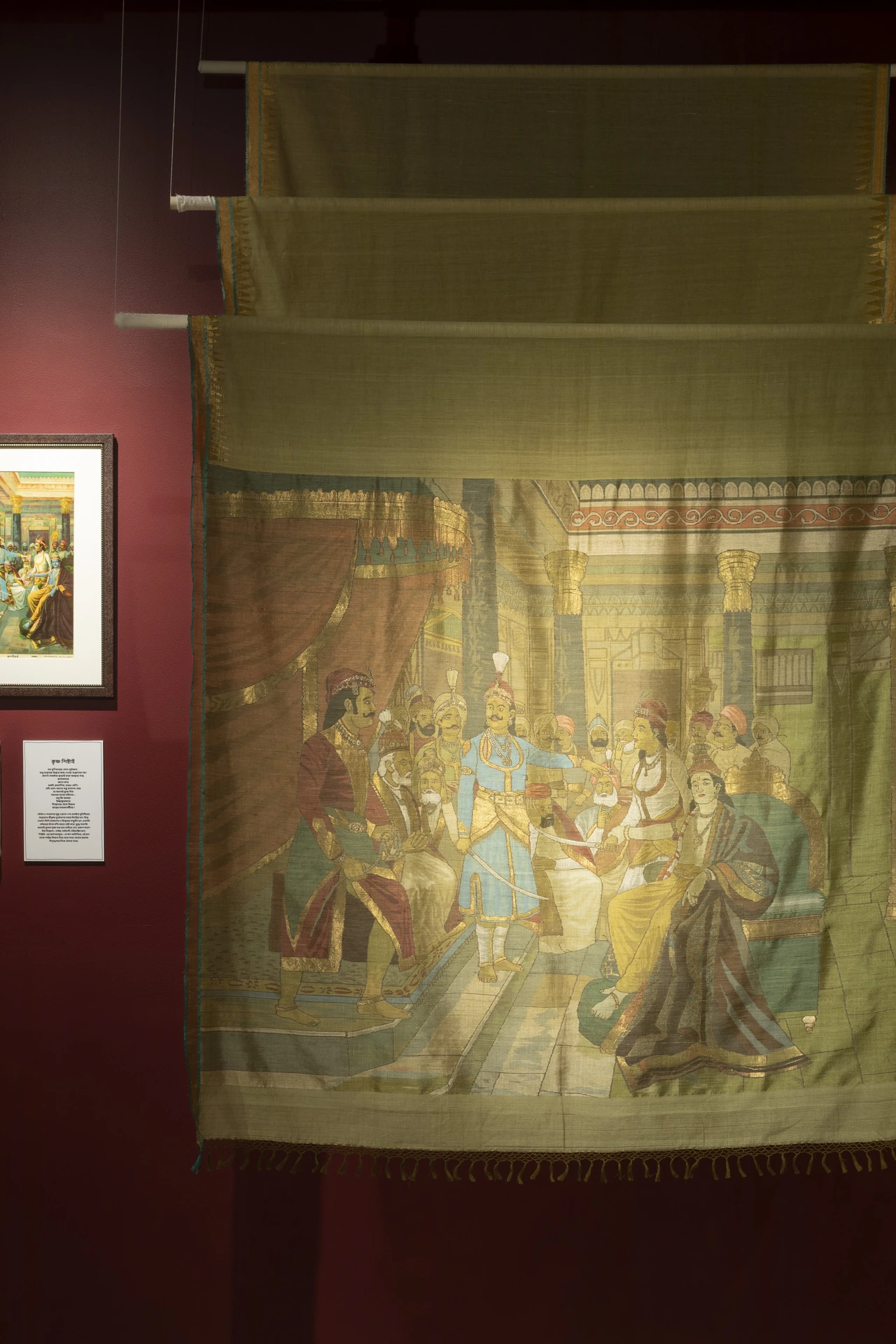
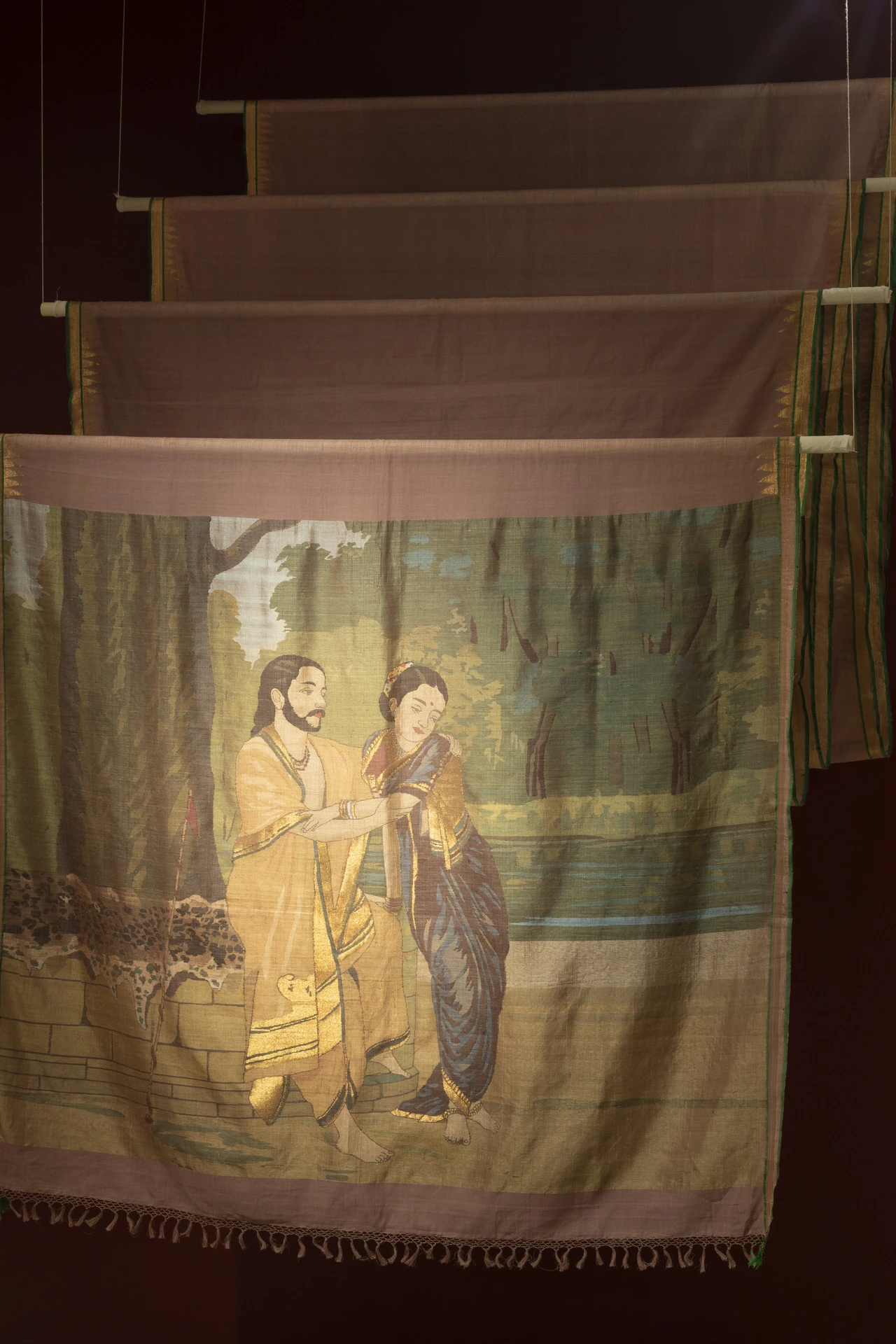
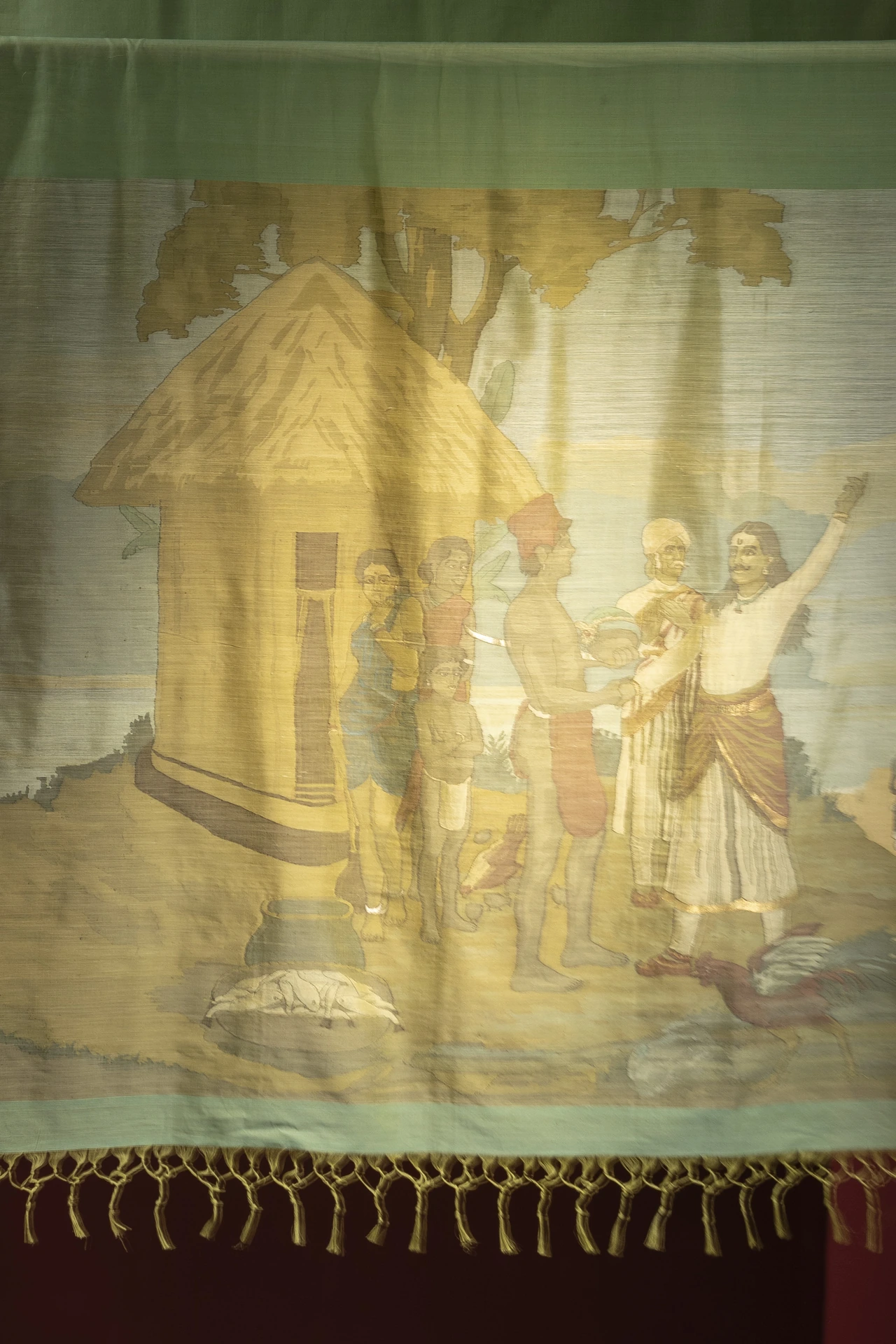
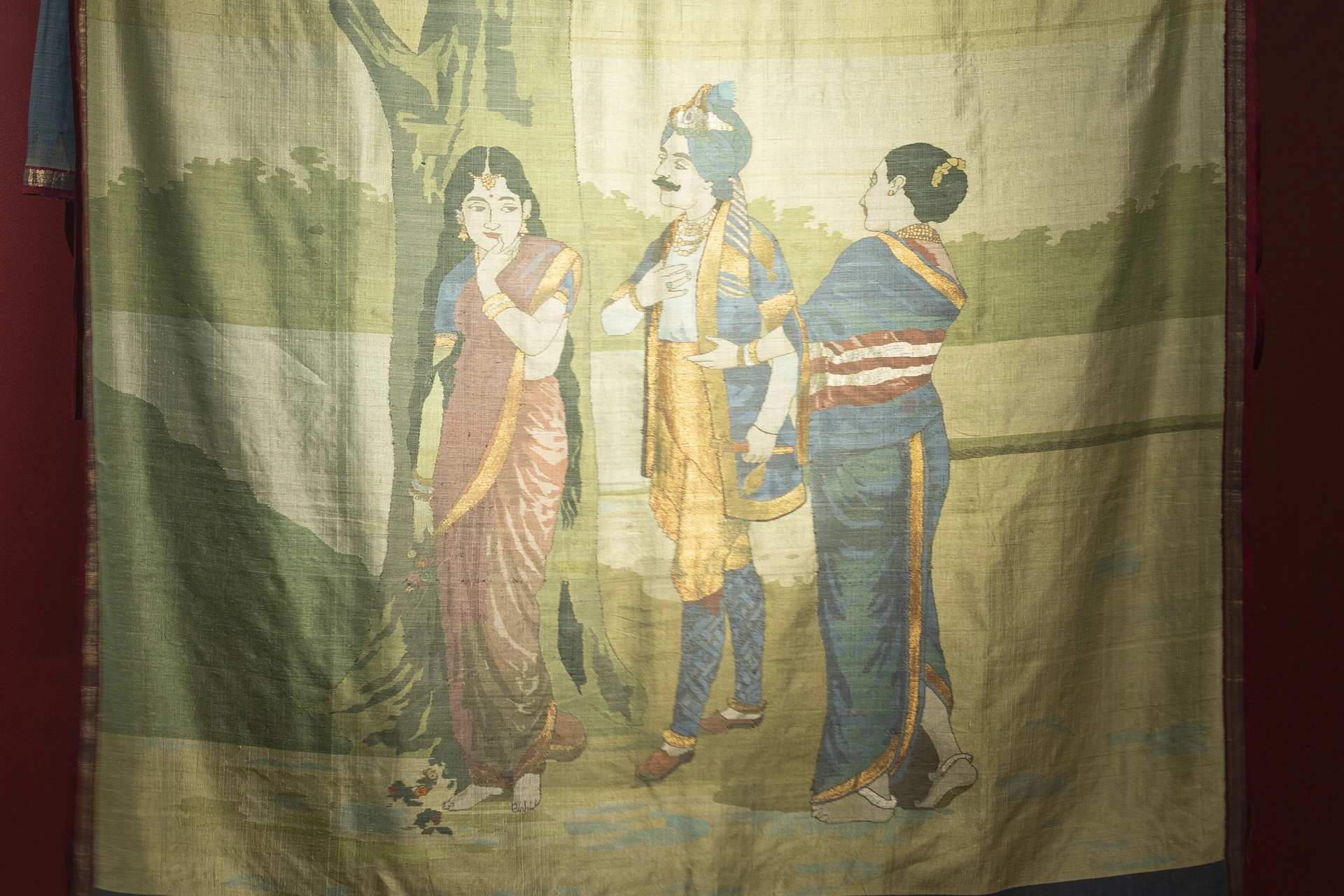
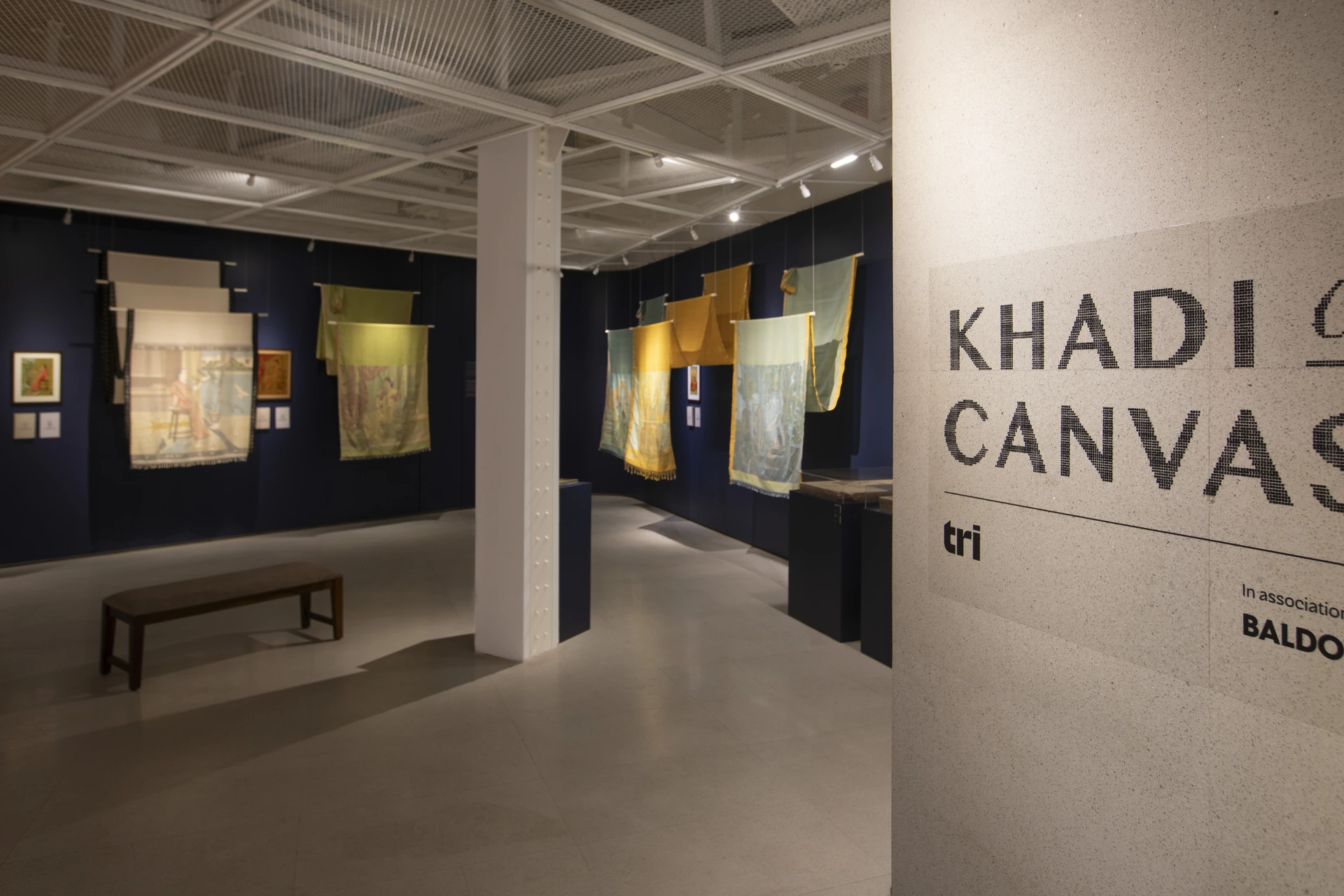
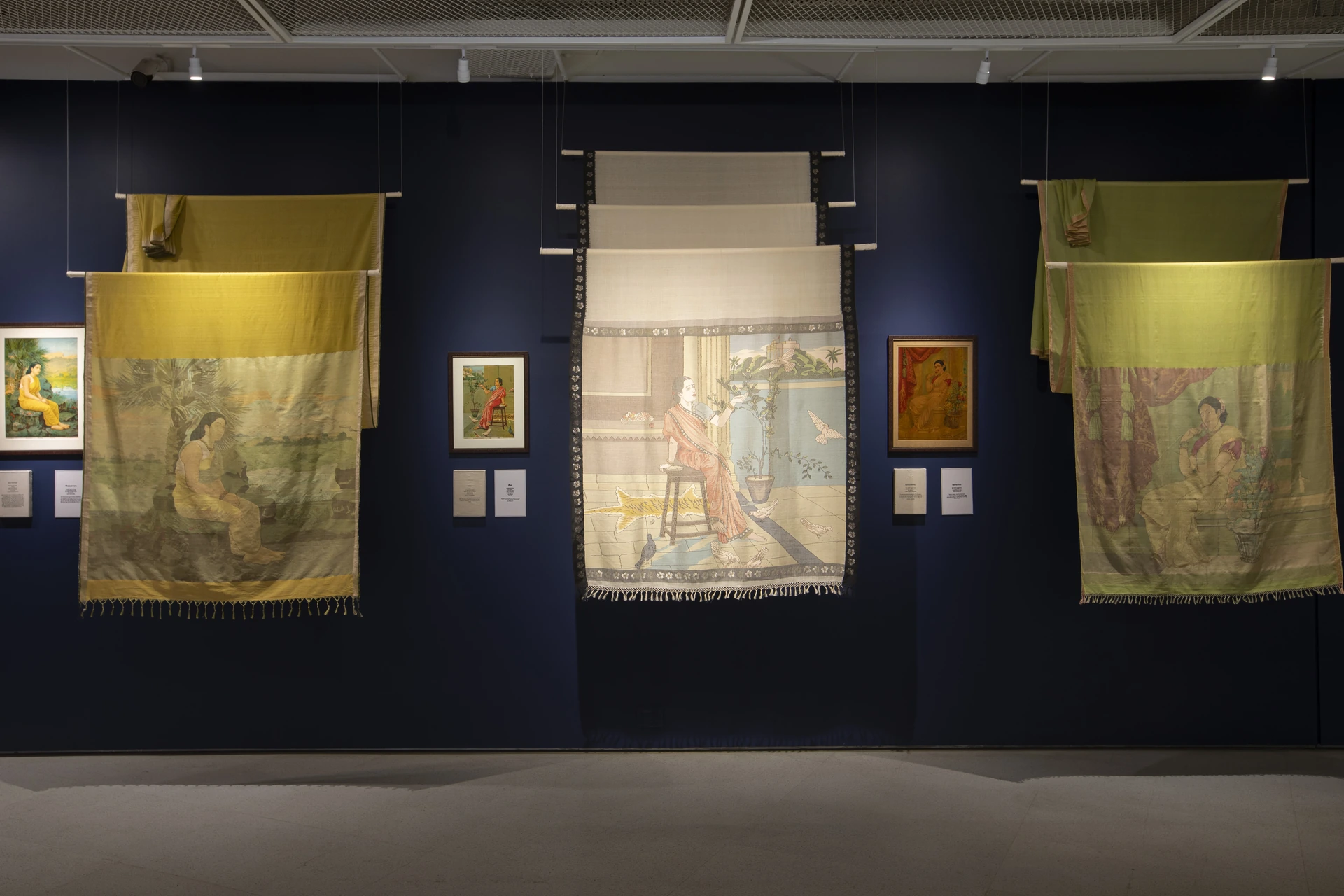
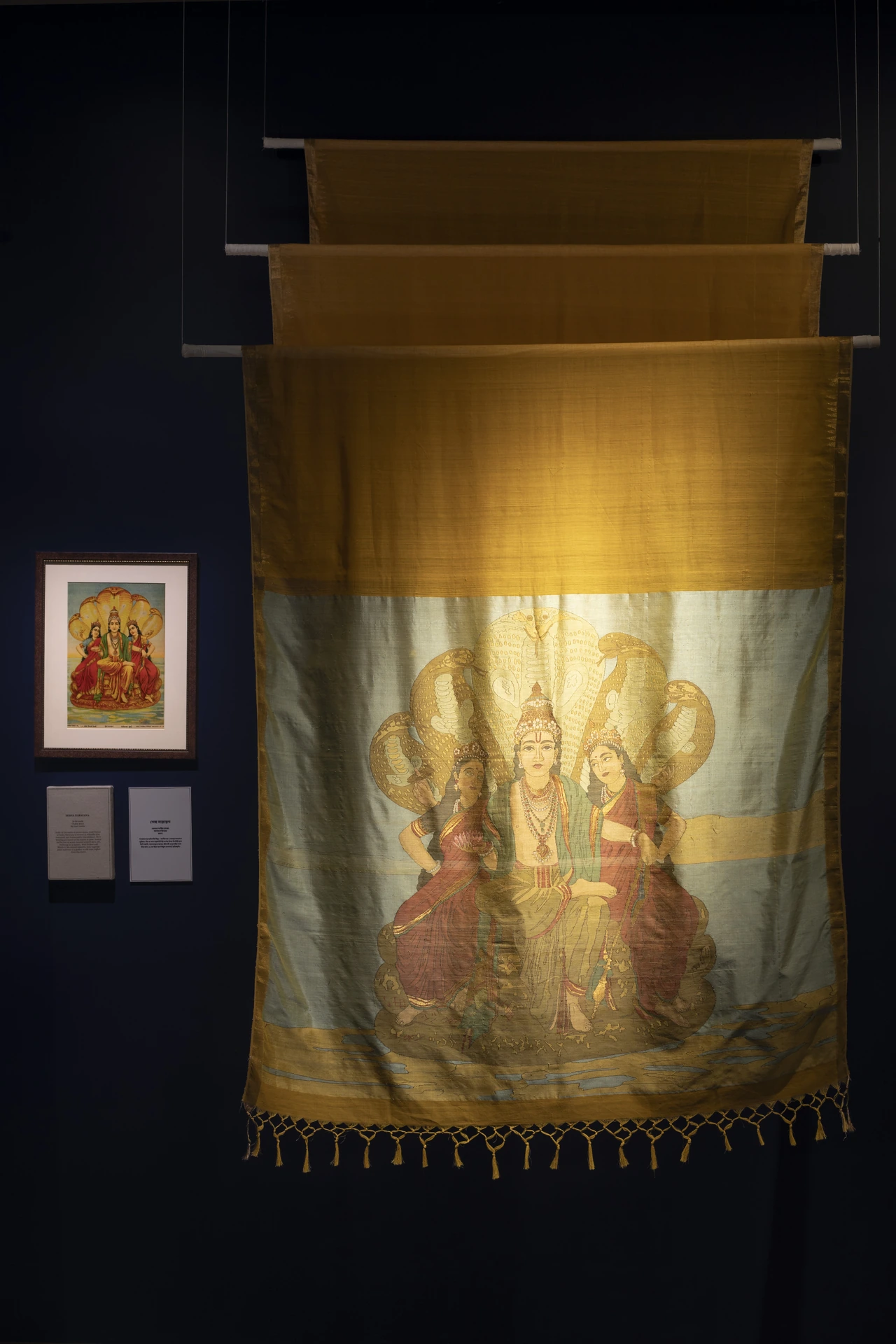
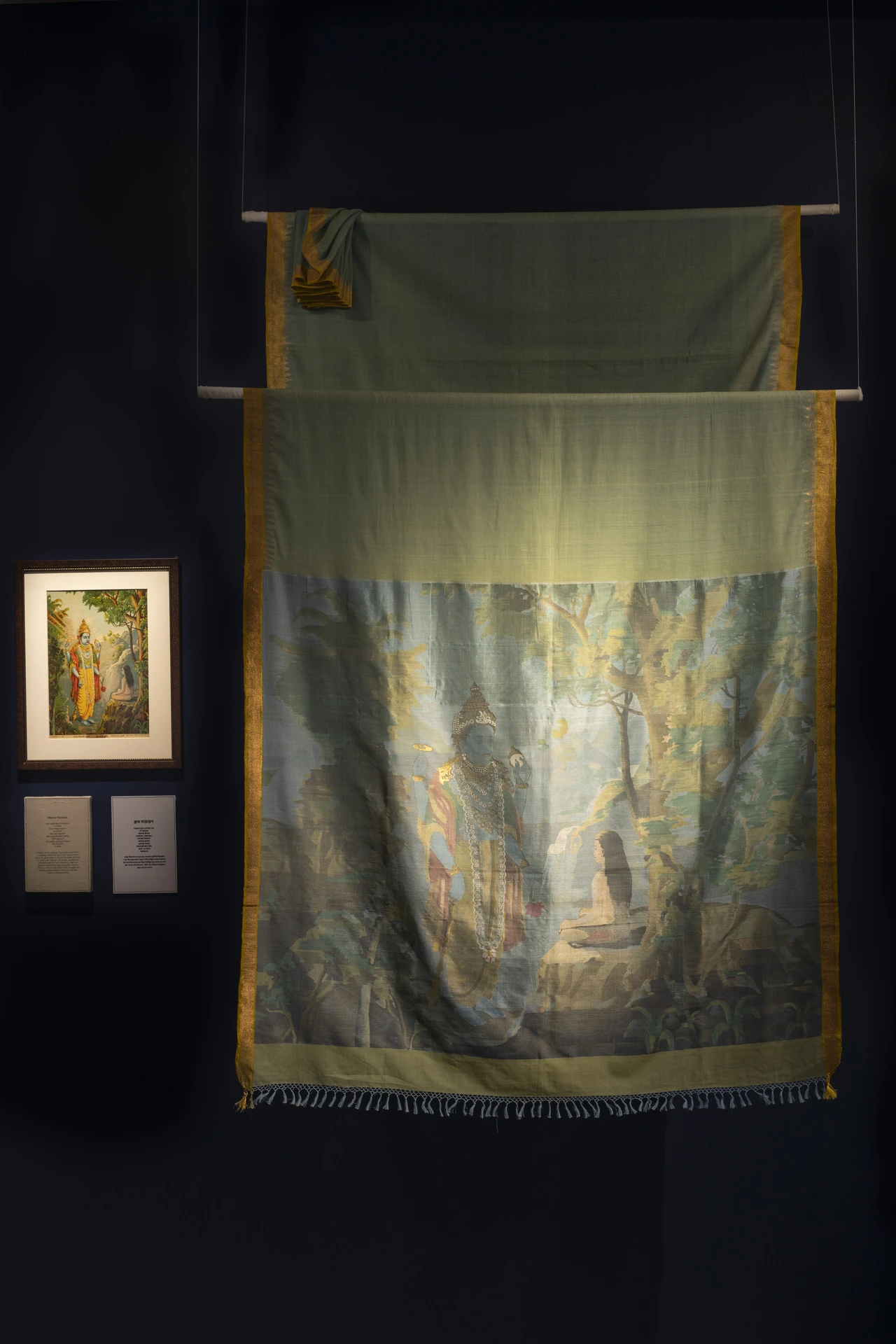
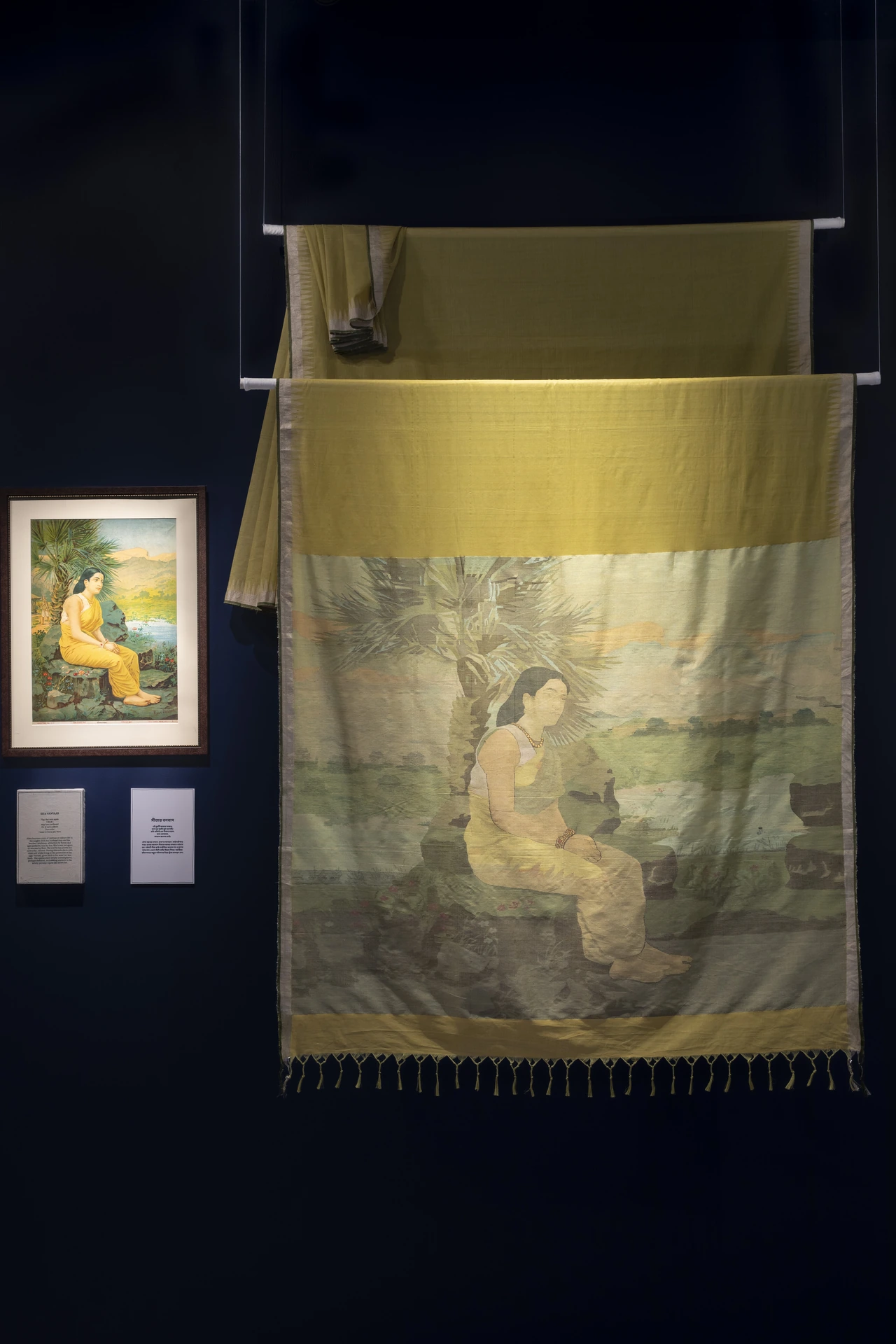
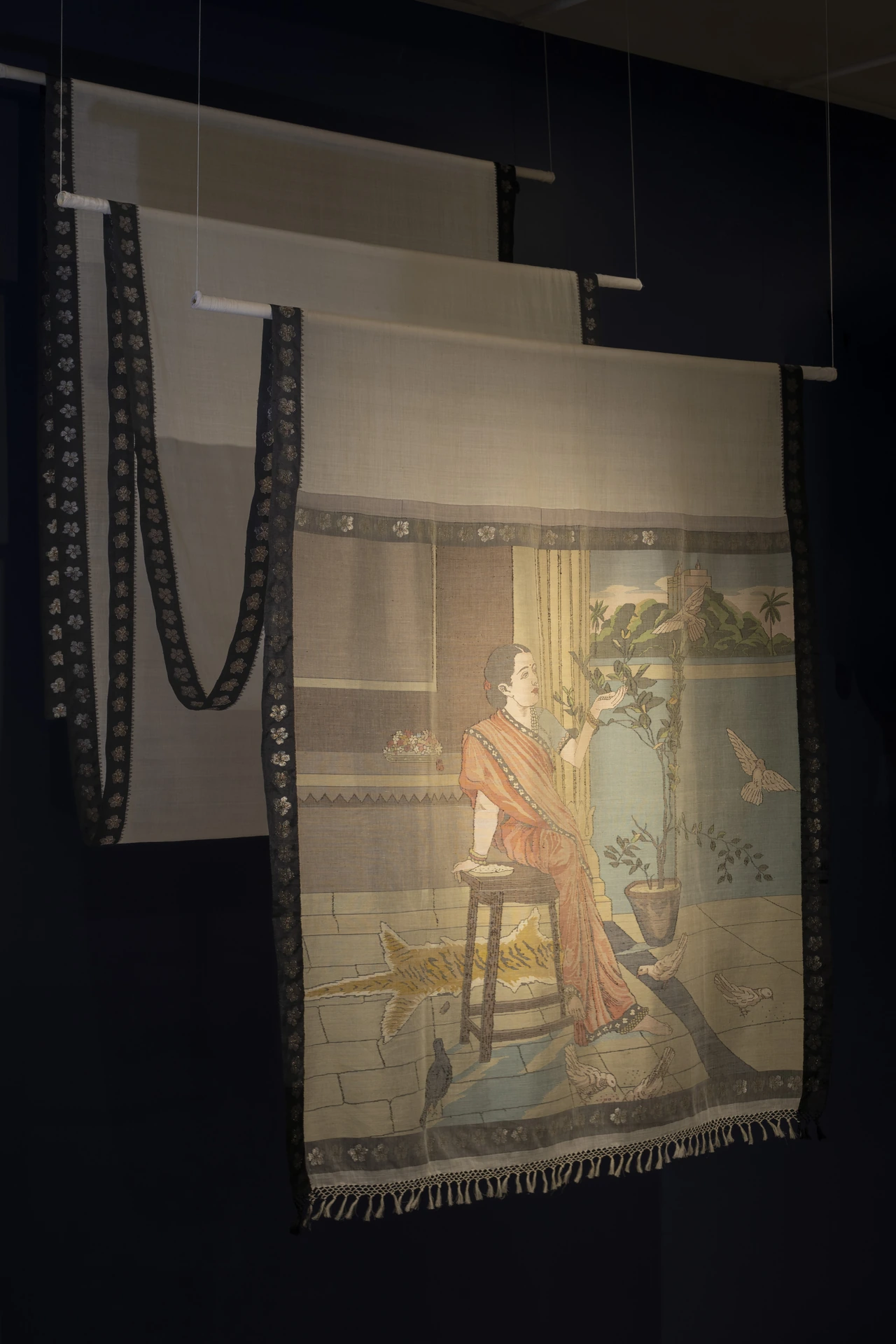
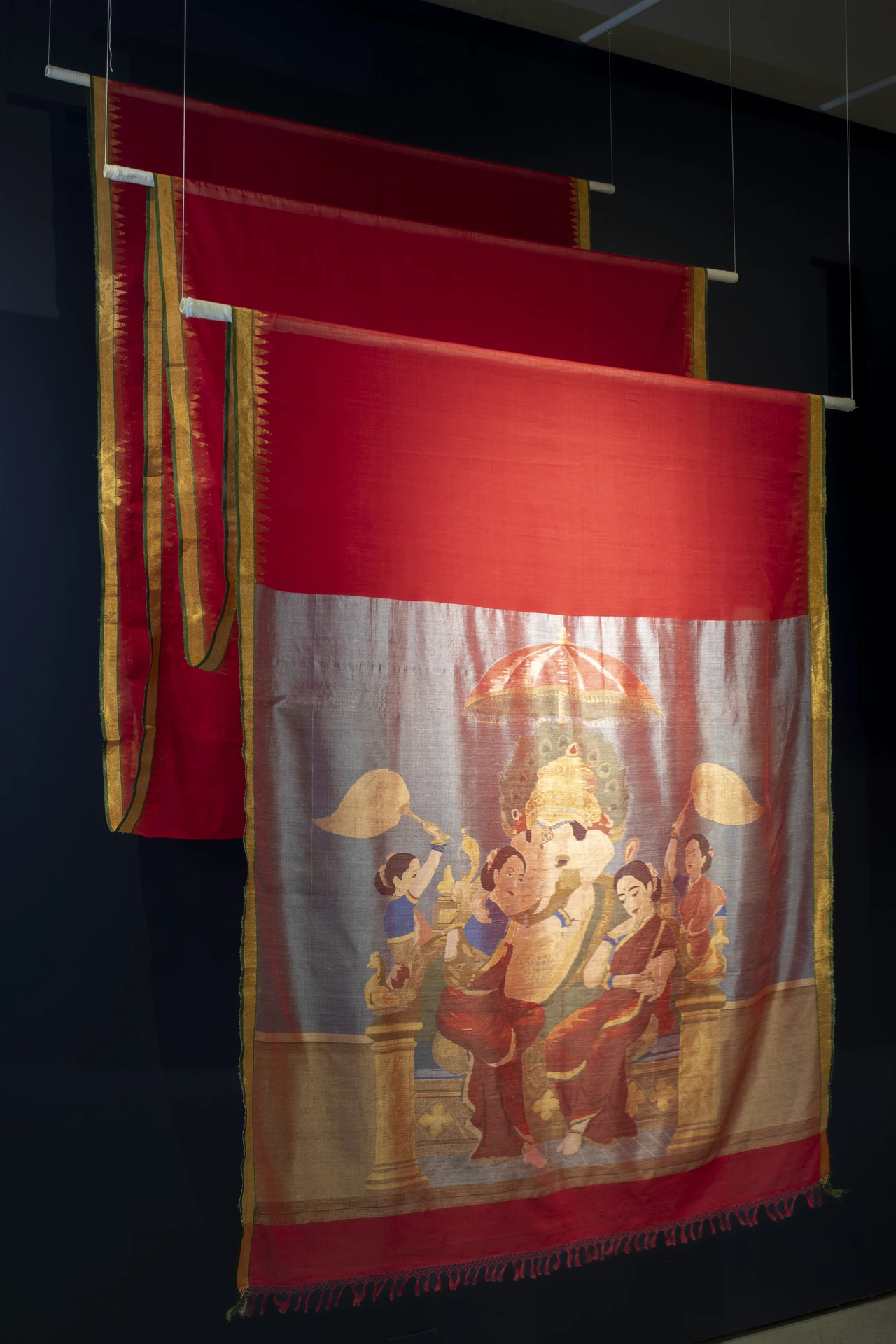
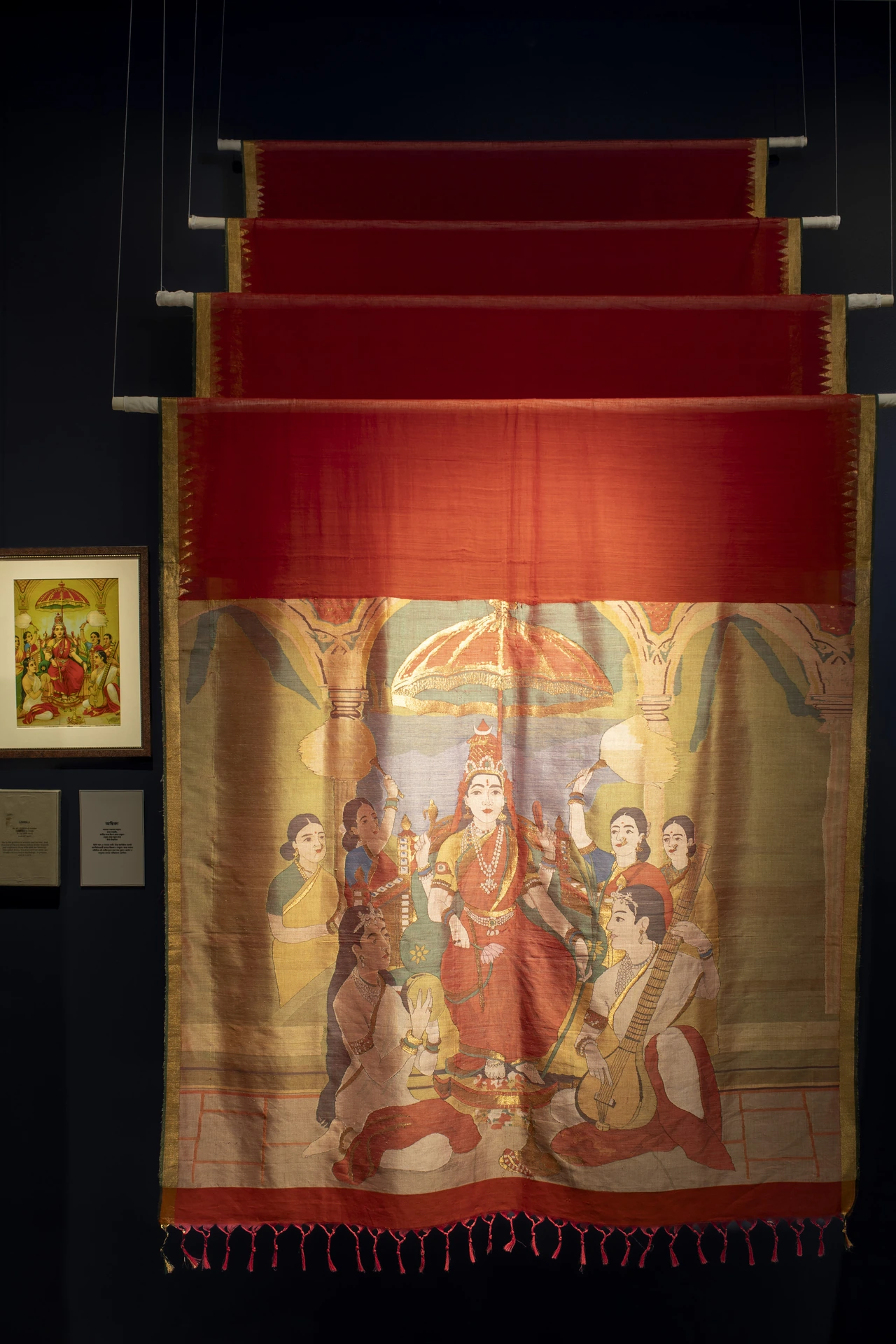
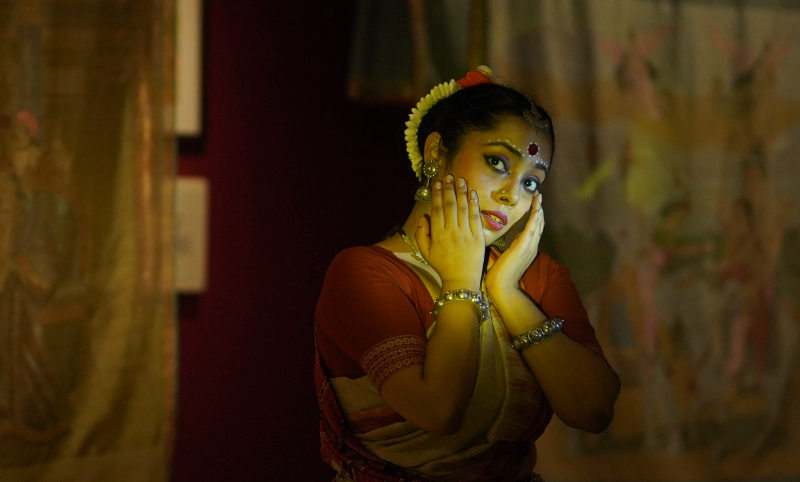
Where Raja Ravi Varma’s iconography meets Gandhi’s cloth, handwoven in Jamdani by artisans from Srikakulam.
Khadi, a Canvas brings together two of India’s most transformative figures, Raja Ravi Varma and Mahatma Gandhi, not as historical subjects, but as living forces whose influence continues to shape how India sees, makes, and values art.
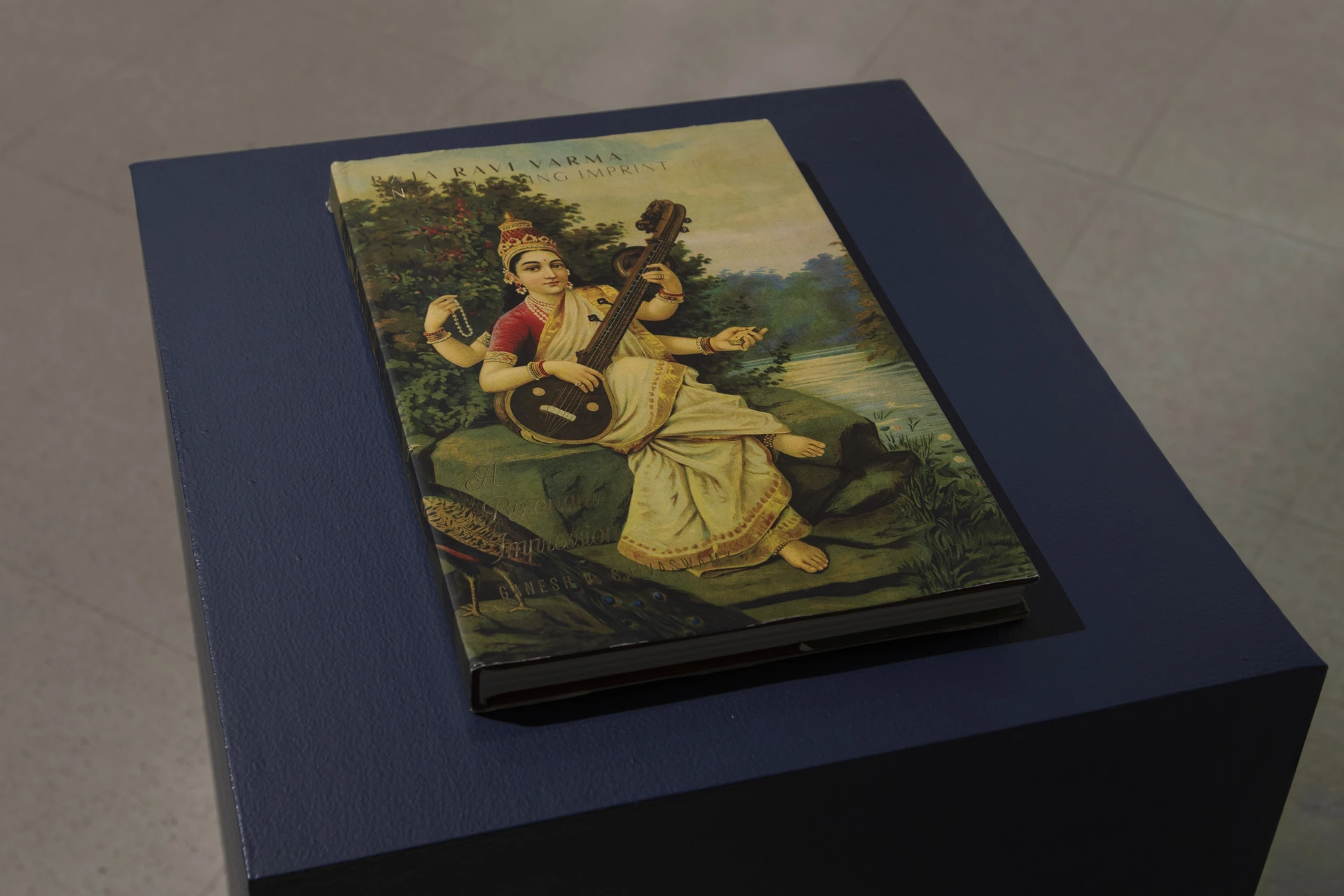
Raja Ravi Varma democratises the image. Through the lithograph press, his paintings travel beyond palace walls into everyday homes, making fine art a shared cultural inheritance. Gandhi democratises the material. By reviving khadi and championing self-sufficiency, he turns the act of weaving into a statement of dignity, identity, and independence. Working only years apart, the two men together redefine what art can do and who it can belong to.
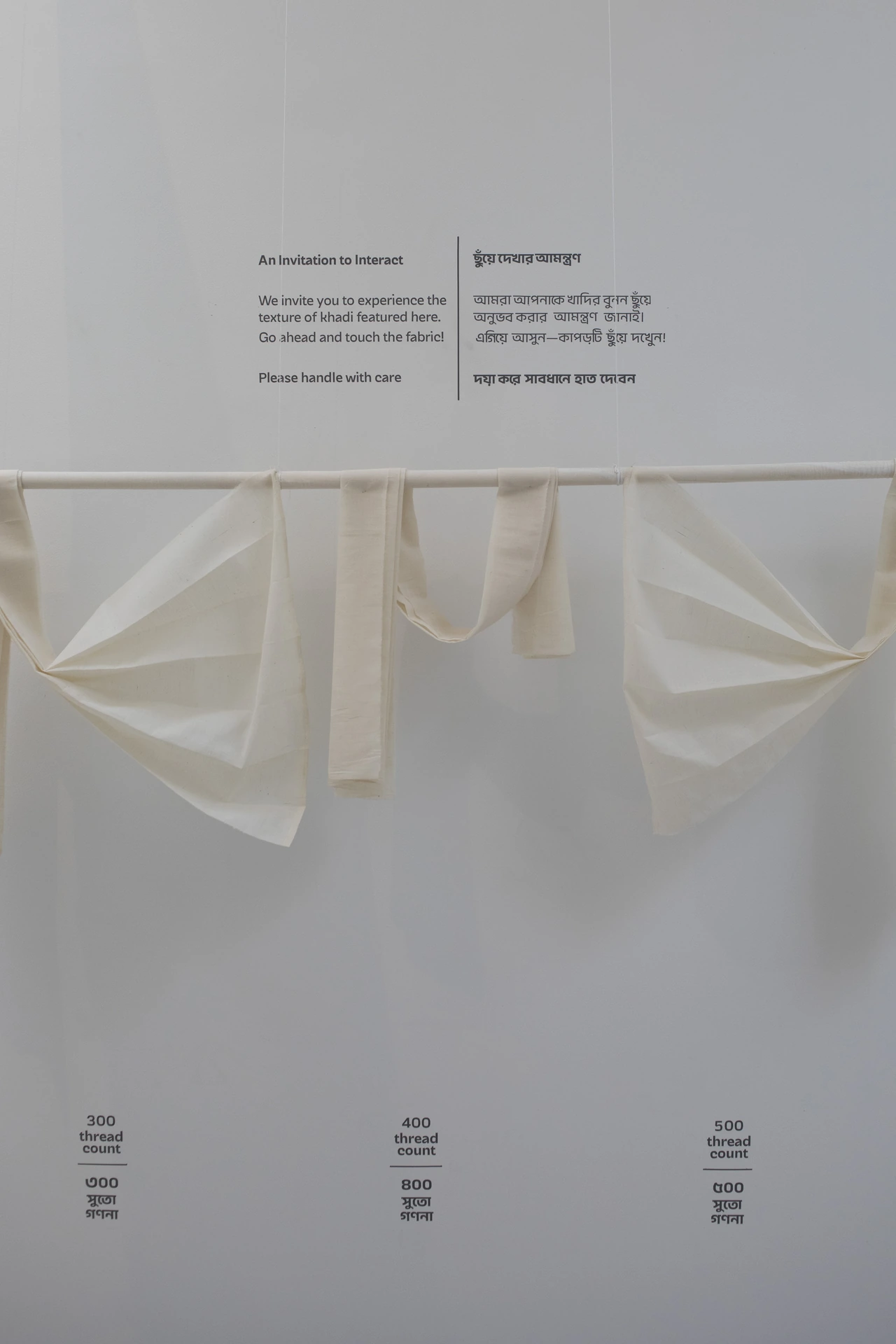
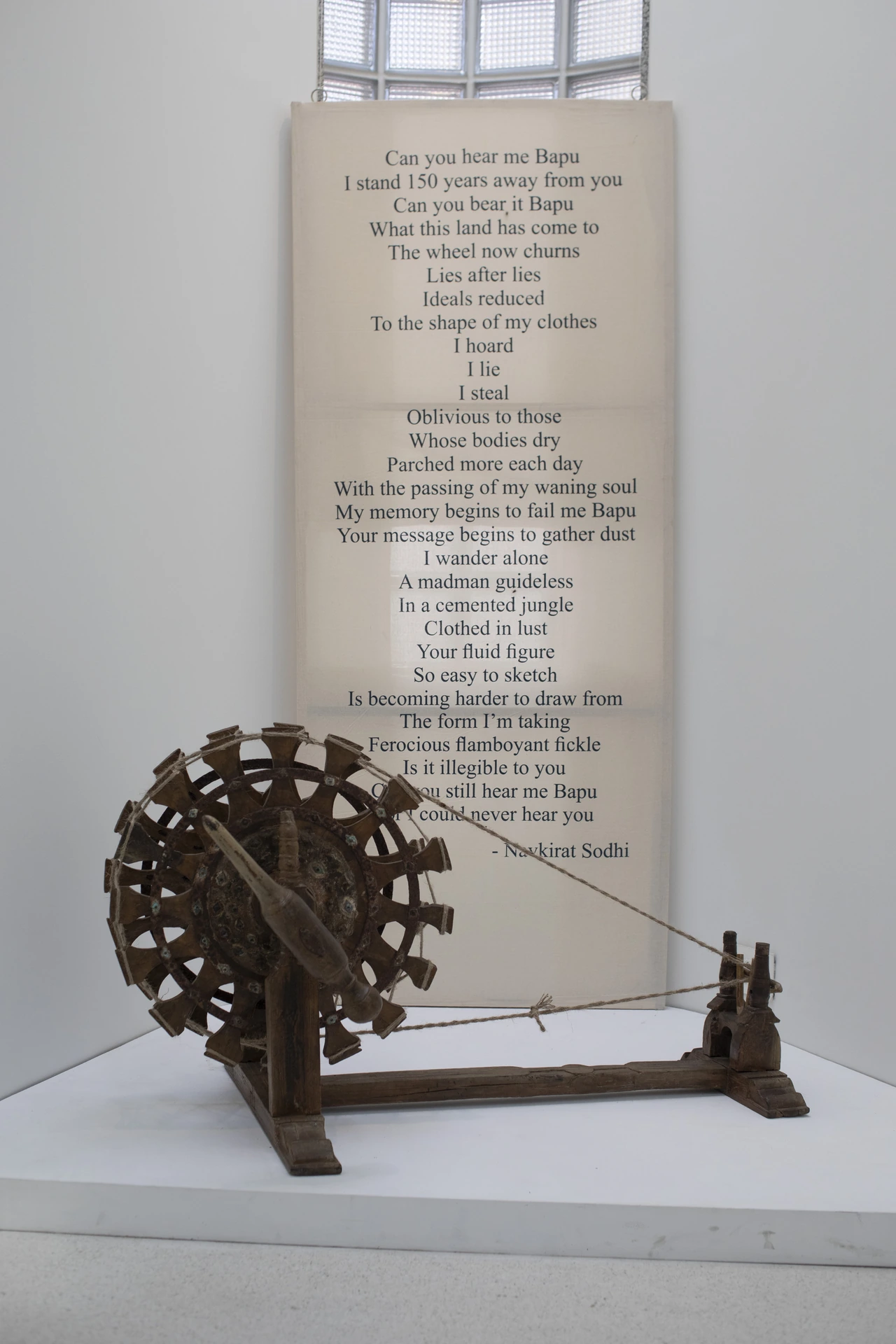
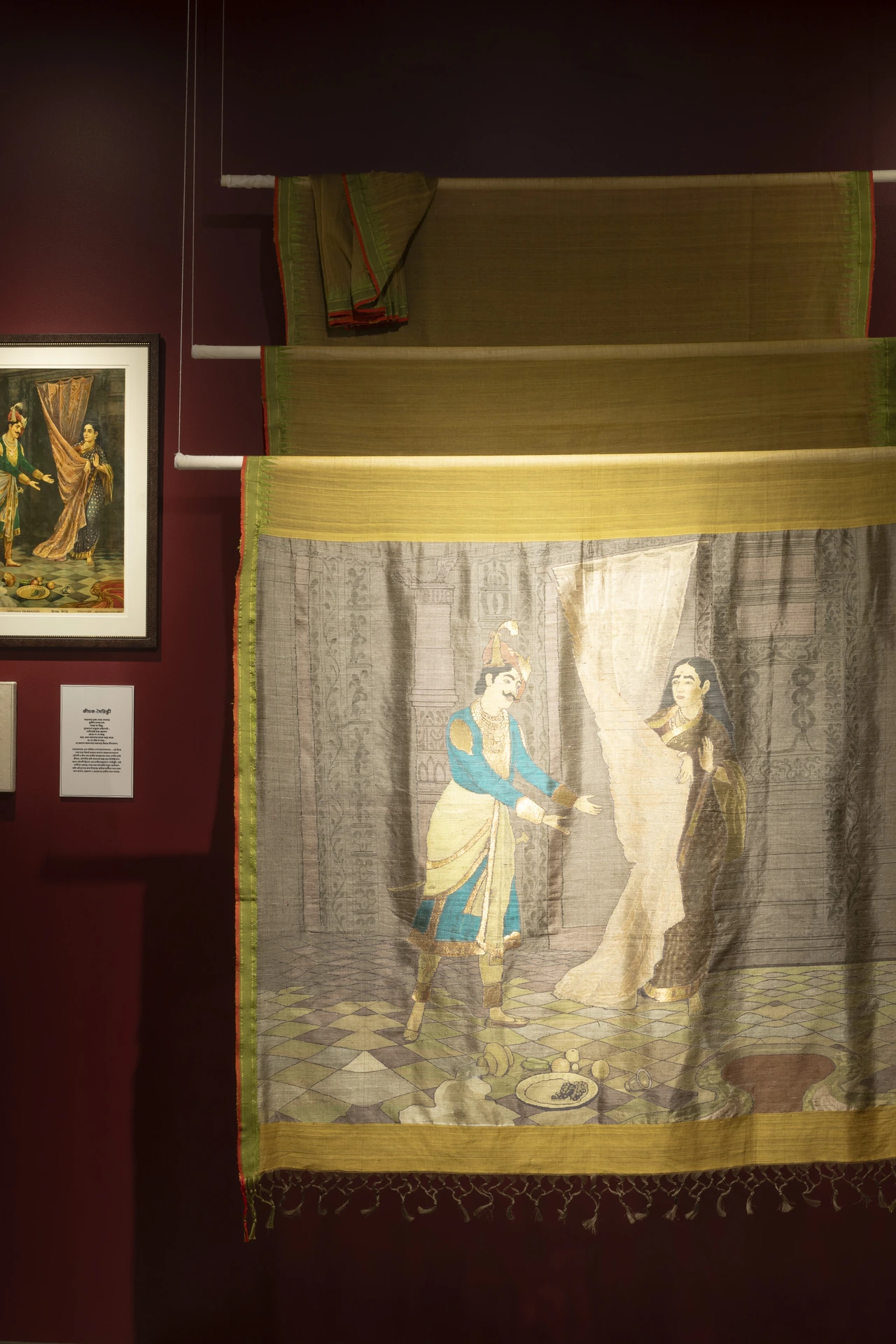
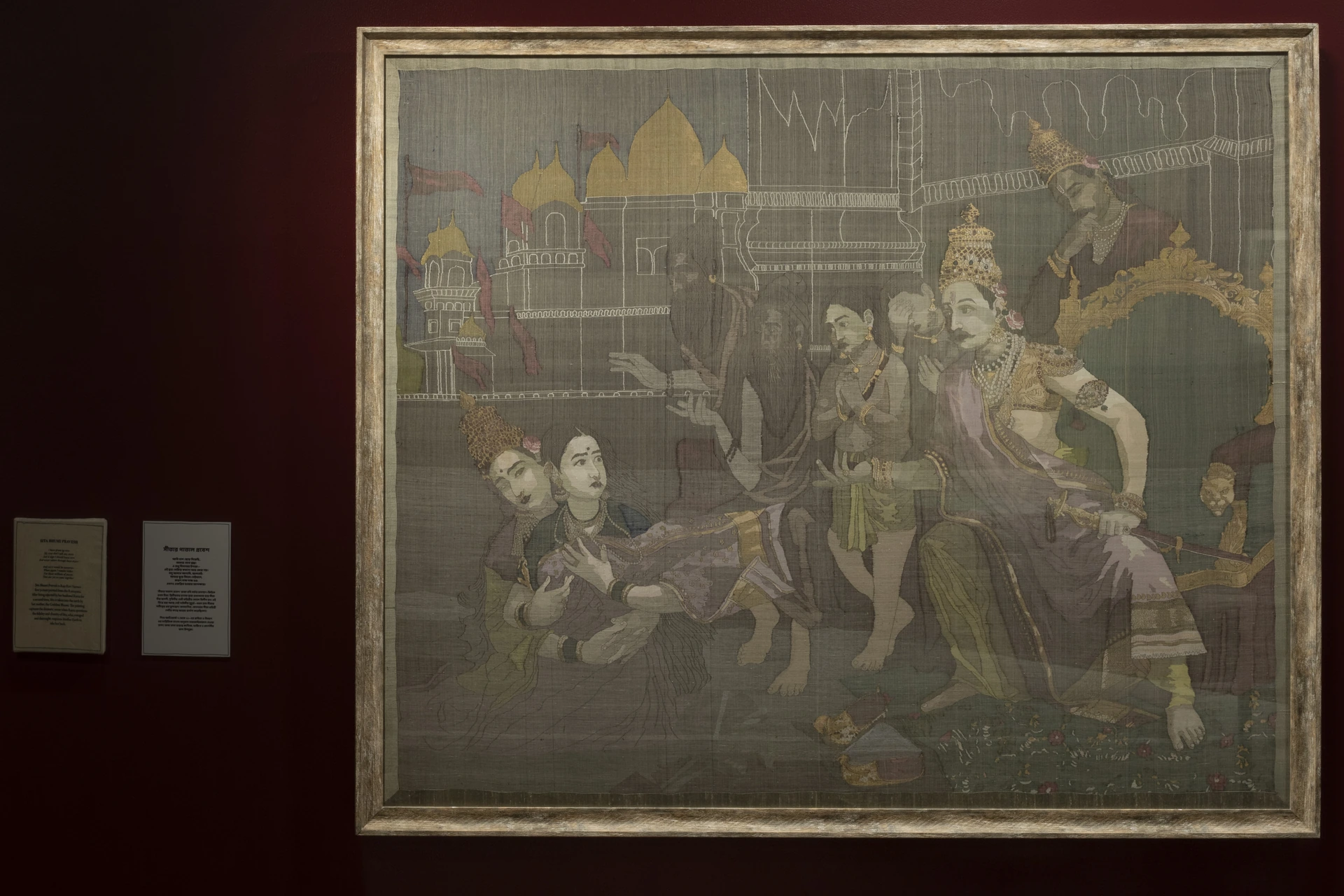
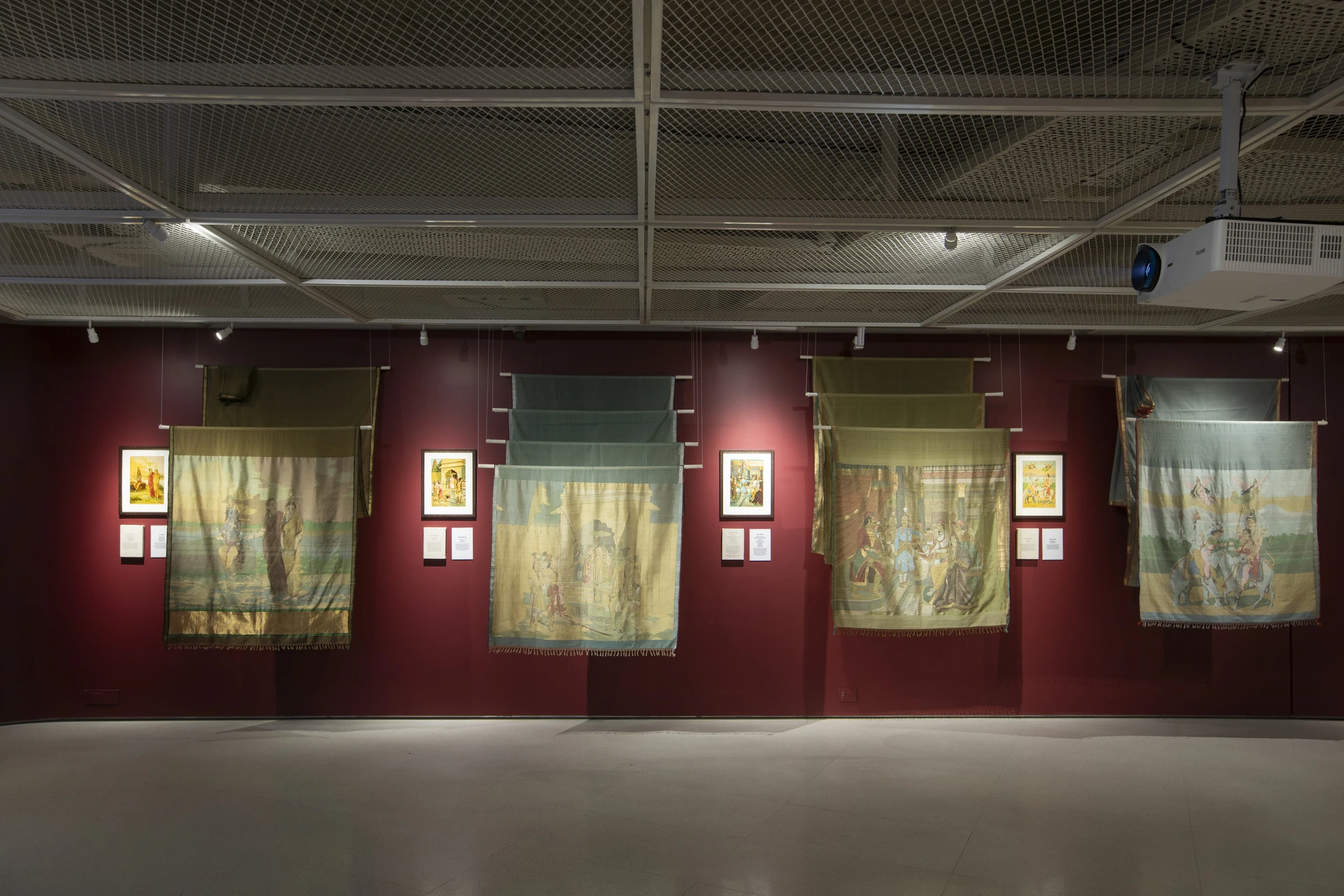
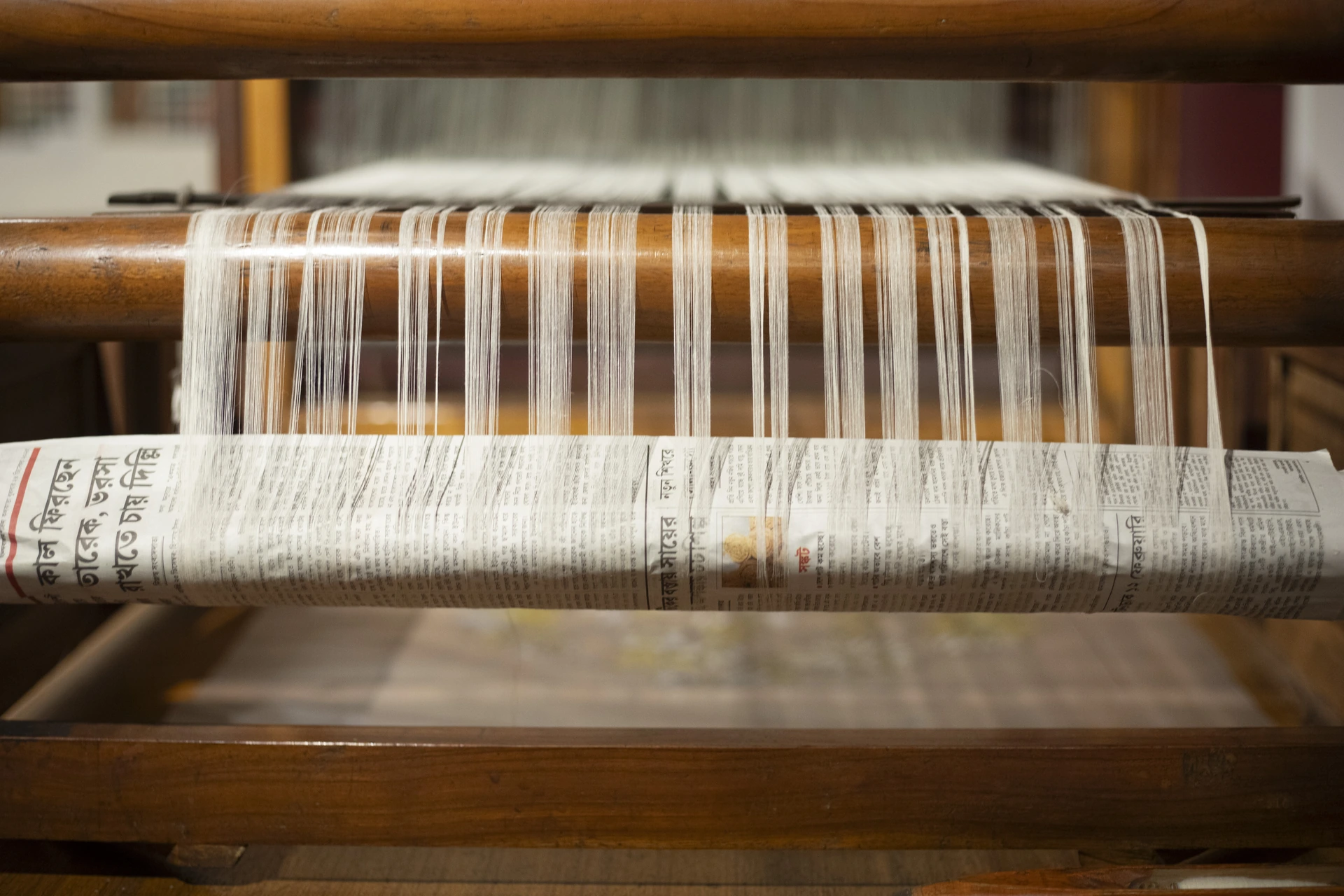
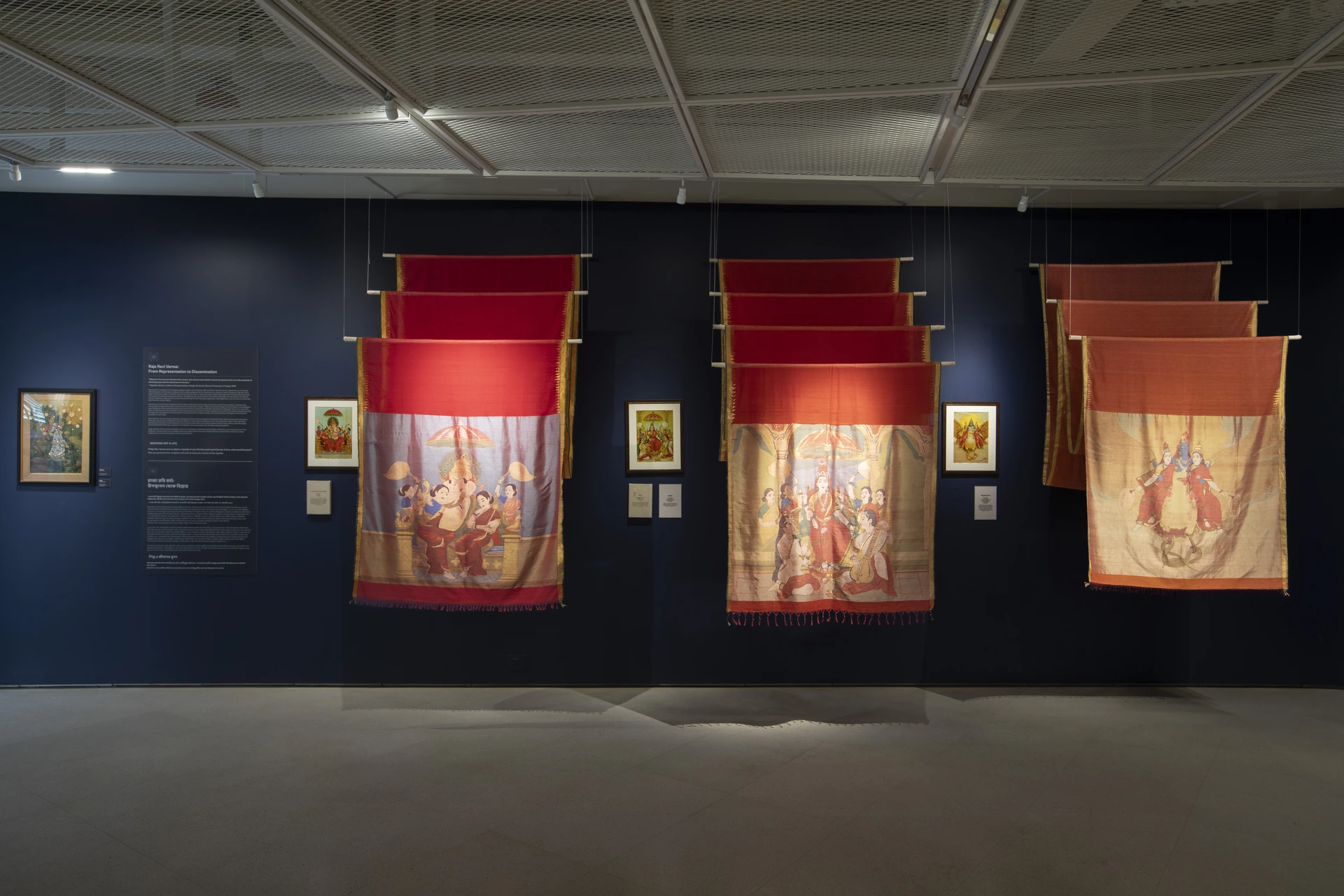
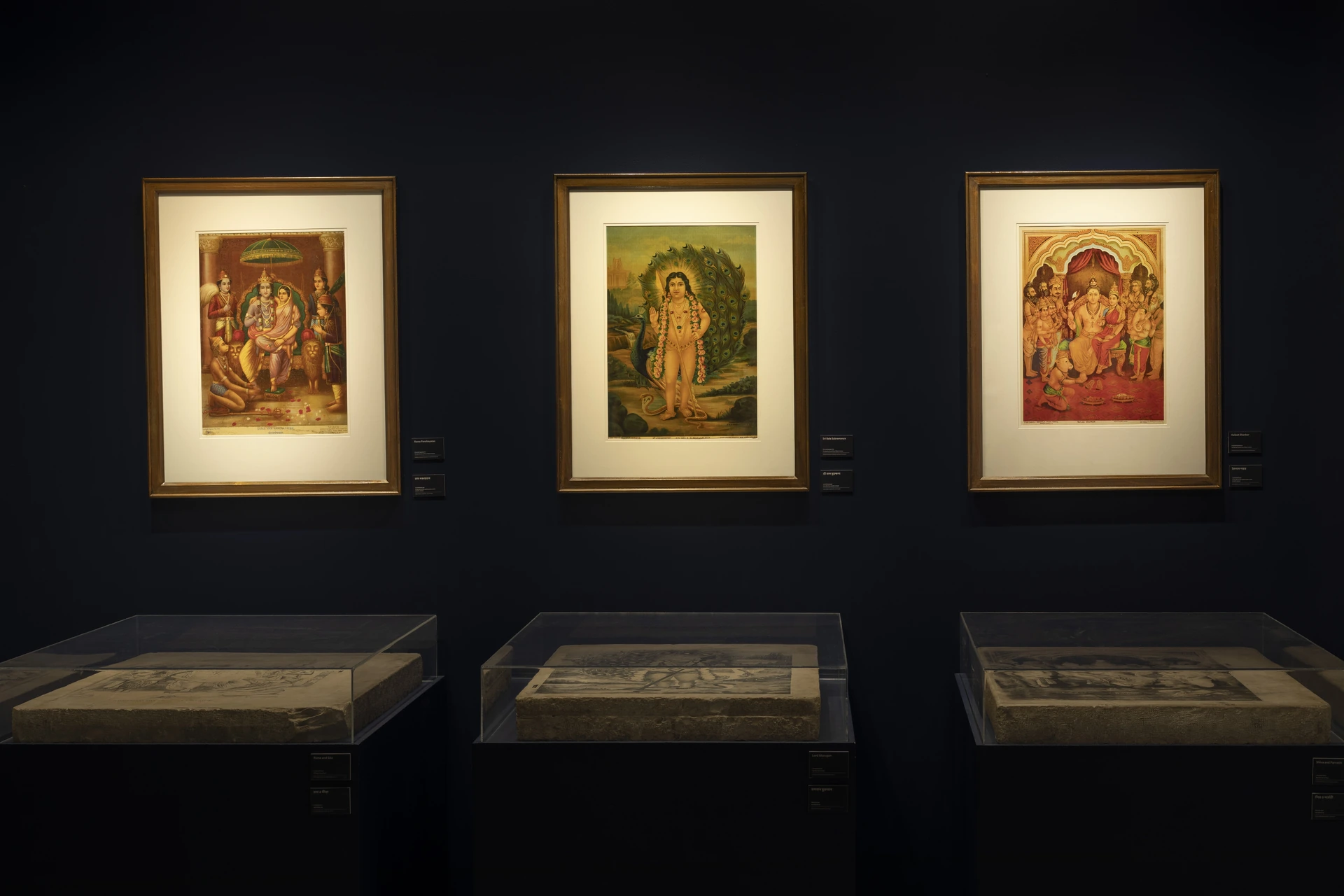
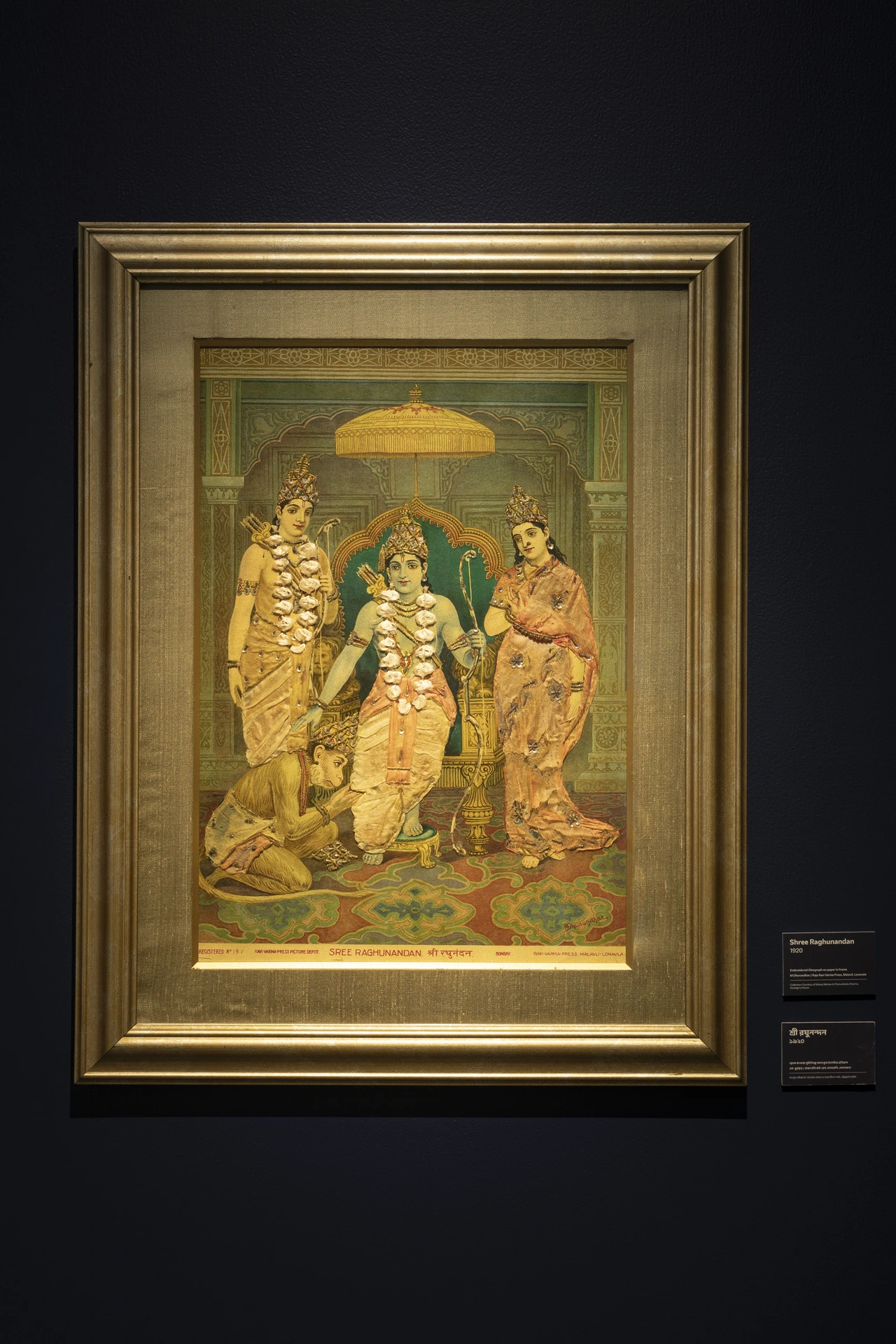
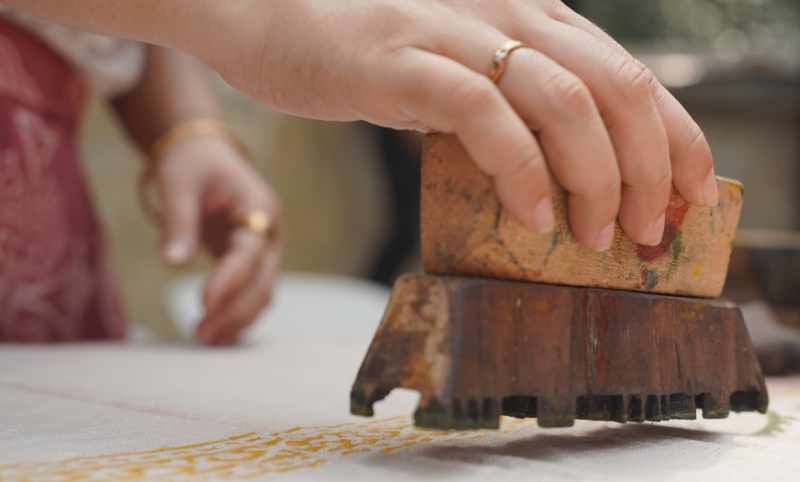
At the heart of the exhibition are 18 handwoven khadi saris, created by tribal women from Srikakulam who, trained from scratch in the intricate Jamdani hand-weave technique, reinterpret Ravi Varma’s iconic imagery in woven form. Each sari took between six months and two years to complete, using silk yarns and 600 natural dye shades developed from plant and vegetable sources. Shown alongside original chromolithograph prints, lithographic stones, and khadi production tools, the works foreground process as much as beauty, the labour, the knowledge, and the quiet skill embedded in both printmaking and weaving.
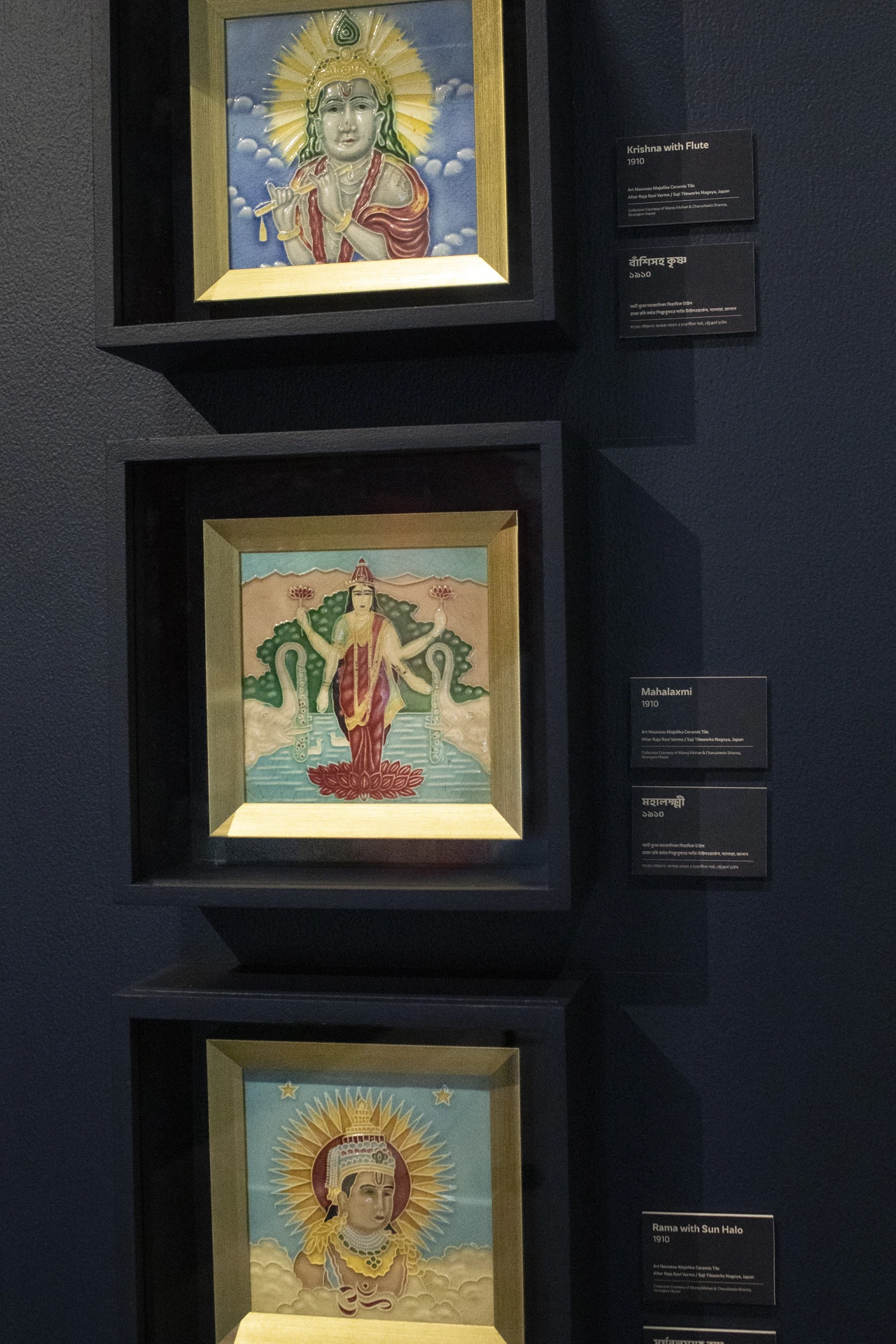
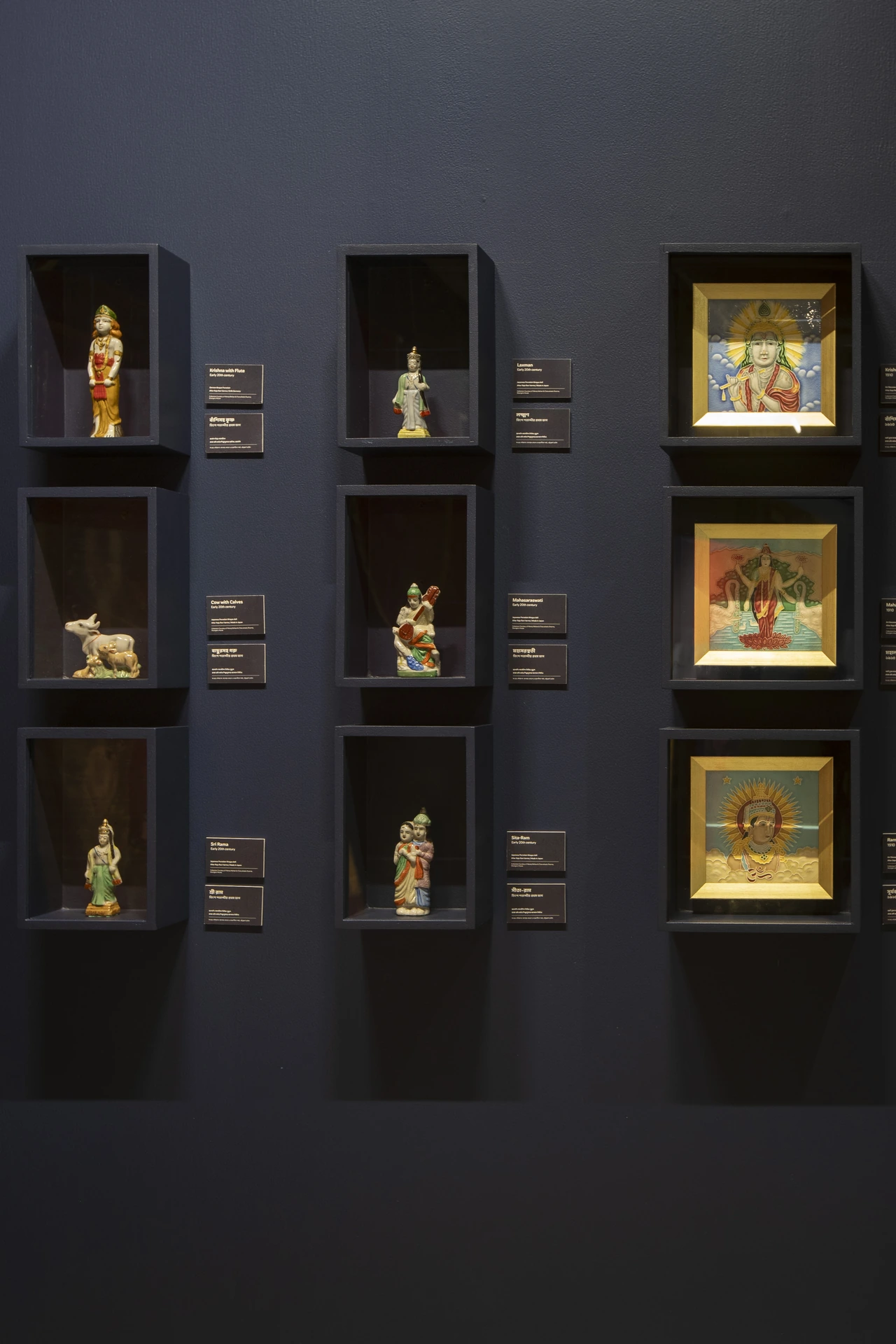
Across two floors of the TRI galleries, the exhibition traces a continuum. On the ground floor, the saris are placed in conversation with decorative art objects, from Japanese porcelain to German Majolica tiles, that situate them within the long and far-reaching tradition of Ravi Varma adaptations. On the first floor, the narrative shifts to khadi’s journey from Gandhi’s political vision to contemporary textile revivalism.
The result is a meditation on legacy, on how images travel, how crafts survive, and how two remarkable individuals helped weave the aesthetic identity of modern India.
Khadi, a Canvas brings together two of India’s most transformative figures, Raja Ravi Varma and Mahatma Gandhi, not as historical subjects, but as living forces whose influence continues to shape how India sees, makes, and values art.
Raja Ravi Varma democratises the image. Through the lithograph press, his paintings travel beyond palace walls into everyday homes, making fine art a shared cultural inheritance. Gandhi democratises the material. By reviving khadi and championing self-sufficiency, he turns the act of weaving into a statement of dignity, identity, and independence. Working only years apart, the two men together redefine what art can do and who it can belong to.
At the heart of the exhibition are 18 handwoven khadi saris, created by tribal women from Srikakulam who, trained from scratch in the intricate Jamdani hand-weave technique, reinterpret Ravi Varma’s iconic imagery in woven form. Each sari took between six months and two years to complete, using silk yarns and 600 natural dye shades developed from plant and vegetable sources. Shown alongside original chromolithograph prints, lithographic stones, and khadi production tools, the works foreground process as much as beauty, the labour, the knowledge, and the quiet skill embedded in both printmaking and weaving.
Across two floors of the TRI galleries, the exhibition traces a continuum. On the ground floor, the saris are placed in conversation with decorative art objects, from Japanese porcelain to German Majolica tiles, that situate them within the long and far-reaching tradition of Ravi Varma adaptations. On the first floor, the narrative shifts to khadi’s journey from Gandhi’s political vision to contemporary textile revivalism.
The result is a meditation on legacy, on how images travel, how crafts survive, and how two remarkable individuals helped weave the aesthetic identity of modern India.

Lavina Baldota is an art curator and patron committed to the preservation of India’s craft and textile traditions. As custodian of the Abheraj Baldota Foundation, she carries forward the Gandhian values of trusteeship and service that form the backbone of the Foundation’s work, collaborating with artists and artisans across India for over two decades through her curatorial platform Santati Then.Now.Next.
Educated in textiles and fashion, Baldota’s curatorial vision is rooted in the authenticity of the past while remaining in dialogue with the present, constantly seeking to illuminate the possibilities of the future. Her exhibitions have been presented at institutions including the National Gallery of Modern Art Mumbai, Museums Victoria in Melbourne, Laxmi Vilas Palace Baroda, Lalbhai Museum Ahmedabad, and Ave Gallery New York. She is a recipient of the Mahatma Award 2023 for her work in building social consciousness around indigenous Indian textiles, a member of INTACH, a Founding Circle member of the Museum of Art and Photography Bengaluru, a Patron of the India Foundation of the Arts, and a Cultural Ambassador for Asia Society.
Gaurang Shah
Team of Weavers from Srikakulam
Gaurang Shah is a National Award-winning textile designer and savant based in Hyderabad whose practice has, for over four decades, revolved around a single enduring commitment: keeping India’s weaving traditions alive by returning to the weavers themselves. His work spans sixteen states and engages approximately seven thousand weavers, artisans, and ancillary craftspeople in relationships built on continuity, trust, and steady income across the year.
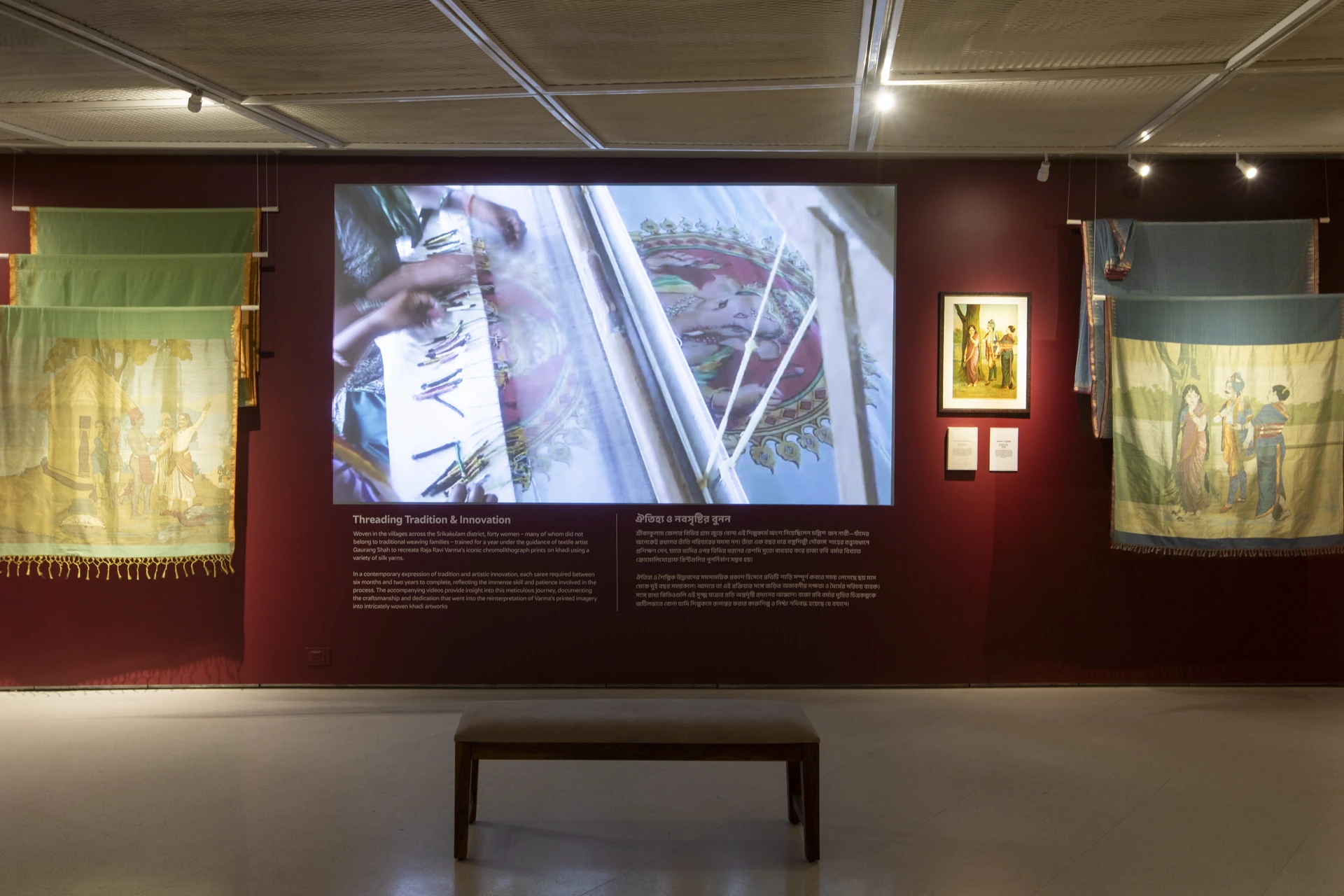
Shah’s deep knowledge of India’s regional textile traditions, from Jamdani and Paithani to Kanjivaram, is matched by a particular interest in temple textile traditions: saris woven historically for deities, carrying iconographies and techniques that the mainstream fashion world has largely moved past. For Khadi, a Canvas, Shah trained over forty tribal women from Srikakulam, with no prior weaving background, to translate Ravi Varma’s chromolithographs into woven form using the Jamdani technique, natural dyes, and silk yarns. The result is eighteen saris that stand at the intersection of fine art, craft heritage, and living tradition.
V Lakshmi
Rukhmani Raj
Pragathi Pasham
P Prashanthi
Jyothi Matam
Ananya Prakash
Harshitha Rao
Chandrakala Dayakar
Roshini Repala
Ramsiri Praveen
G Rajeshwari
Rajeetha Ravi
Anasuya Gandam
Sandhya Devi
J Tirumala
Spoorthi Kumari
Radhika Gandam
Rama Surya
G Sindhura
Shilpa Nirmala
Shaleeni K
Seetha Rakesh
H Mahalakshmi
Shobha Rani
Shreelashmi R
Shalini Kumari
Manasa Pallela
Sindhu Nellore
Vanaja Rajeshwari
Hitashri Swaroop
Uma Devi
Sandhya Rani
Meghana Raj
Chivukulu Megha
Divya Vijay
Soundarya Goka
Nikitha Perla
Anjali Perla
Sharvyya Koora
Lavina Baldota is an art curator and patron committed to the preservation of India’s craft and textile traditions. As custodian of the Abheraj Baldota Foundation, she carries forward the Gandhian values of trusteeship and service that form the backbone of the Foundation’s work, collaborating with artists and artisans across India for over two decades through her curatorial platform Santati Then.Now.Next.
Educated in textiles and fashion, Baldota’s curatorial vision is rooted in the authenticity of the past while remaining in dialogue with the present, constantly seeking to illuminate the possibilities of the future. Her exhibitions have been presented at institutions including the National Gallery of Modern Art Mumbai, Museums Victoria in Melbourne, Laxmi Vilas Palace Baroda, Lalbhai Museum Ahmedabad, and Ave Gallery New York. She is a recipient of the Mahatma Award 2023 for her work in building social consciousness around indigenous Indian textiles, a member of INTACH, a Founding Circle member of the Museum of Art and Photography Bengaluru, a Patron of the India Foundation of the Arts, and a Cultural Ambassador for Asia Society.
Gaurang Shah
Team of Weavers from Srikakulam
Gaurang Shah is a National Award-winning textile designer and savant based in Hyderabad whose practice has, for over four decades, revolved around a single enduring commitment: keeping India’s weaving traditions alive by returning to the weavers themselves. His work spans sixteen states and engages approximately seven thousand weavers, artisans, and ancillary craftspeople in relationships built on continuity, trust, and steady income across the year.
Shah’s deep knowledge of India’s regional textile traditions, from Jamdani and Paithani to Kanjivaram, is matched by a particular interest in temple textile traditions: saris woven historically for deities, carrying iconographies and techniques that the mainstream fashion world has largely moved past. For Khadi, a Canvas, Shah trained over forty tribal women from Srikakulam, with no prior weaving background, to translate Ravi Varma’s chromolithographs into woven form using the Jamdani technique, natural dyes, and silk yarns. The result is eighteen saris that stand at the intersection of fine art, craft heritage, and living tradition.
V Lakshmi
Rukhmani Raj
Pragathi Pasham
P Prashanthi
Jyothi Matam
Ananya Prakash
Harshitha Rao
Chandrakala Dayakar
Roshini Repala
Ramsiri Praveen
G Rajeshwari
Rajeetha Ravi
Anasuya Gandam
Sandhya Devi
J Tirumala
Spoorthi Kumari
Radhika Gandam
Rama Surya
G Sindhura
Shilpa Nirmala
Shaleeni K
Seetha Rakesh
H Mahalakshmi
Shobha Rani
Shreelashmi R
Shalini Kumari
Manasa Pallela
Sindhu Nellore
Vanaja Rajeshwari
Hitashri Swaroop
Uma Devi
Sandhya Rani
Meghana Raj
Chivukulu Megha
Divya Vijay
Soundarya Goka
Nikitha Perla
Anjali Perla
Sharvyya Koora

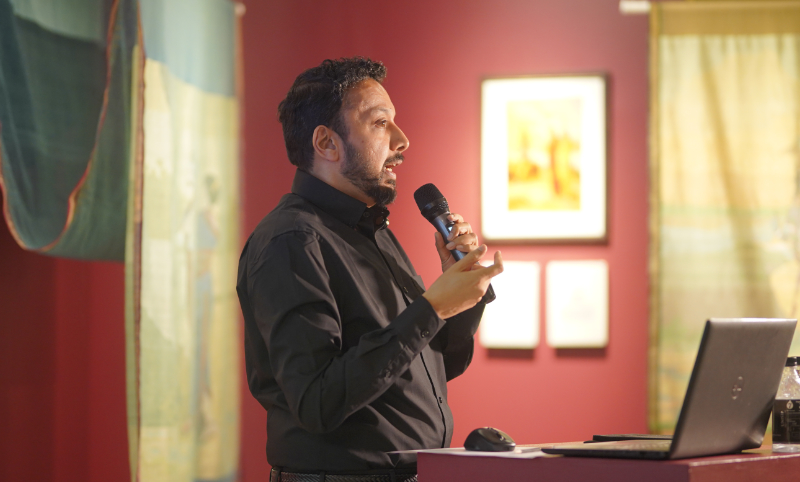
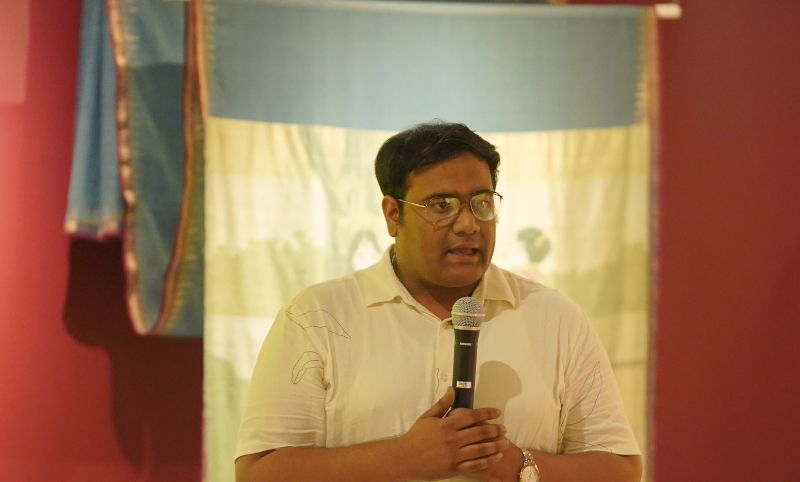
A guided walkthrough of Khadi, a Canvas with curator Lavina Baldota and textile artist Gaurang Shah.

A discussion with the curators of TRI Art & Culture’s inaugural Monsoon Rooms on building independent and alternative studio spaces as sites for community and curatorial praxis

A discussion with the curators of TRI Art & Culture’s inaugural Monsoon Rooms on building independent and alternative studio spaces as sites for community and curatorial praxis

A screening of Epaar Opar, a documentary tracing Bengal’s textile traditions across colonialism, Partition, and industrial modernity, followed by a conversation with the Weavers Studio Resource Centre.

An embodied response to Raja Ravi Varma’s mythological vignettes through the aesthetics of Odissi.
Contact Us